
Nobody Told You the Job Would Be Mostly Administration
An Honest Accounting of the Work You Were Not Trained For
You were trained for a fifth of the job. This is an honest accounting of the other four, and a way to decide what to do about it.
- 11 chapters
- 61-page PDF
- About 50 minutes to read
- Team discussion guide included
By Kraig Kleeman, founder of The Zoé Life
The Core Premise
You have been calling it the interruption for eleven years. It is the baseline. The ministry is what interrupts it.
Why This Matters
Administration quietly takes most of a pastor's week, and the usual advice assumes resources you were never given. This book helps you measure your real week with a simple Ledger, sort what is the work from what is not, and bring it to your board.
What You'll Discover
- Why the usual advice has not worked
- You do not know your own week, and how to keep the Ledger
- Sorting what is the work from what is not
- Bringing it to the board
- If you are not the one who decides
From the Book
Each addition was sensible. Nobody ever ran the total.
The diagnosis is weight. Not priorities, not discipline, not devotion. Weight.
For your team · Included with the book
Read it together
A printable discussion guide for staff teams and elder boards reading Nobody Told You the Job Would Be Mostly Administration together. 4 conversations, one for each part of the book. Each one opens with a line from the book, then gives you questions and one practice to carry into the week.
Session 1 · Introduction and Chapters 1–3
The Grievance
They examined you on the atonement. Nobody asked whether you could chair a meeting. Only one of those has come up every week for eleven years.
4 questions · 1 practice
Session 2 · Chapters 4–6
How It Got This Way
Each addition was sensible. Nobody ever ran the total.
3 questions · 1 practice
Session 3 · Chapters 7–9
The Ledger
A time sheet asks what you did. The Ledger asks who it was for. Only one of those is a question about your calling.
3 questions · 1 practice
Session 4 · Chapters 10–11 and Conclusion
The Sorting
Drift is also an answer. It is simply an answer nobody had to defend, arrived at by a process nobody watched.
3 questions · 1 practice
Free sample · The whole first sessionSession 1: The GrievancePart One · Introduction and Chapters 1–3Read Session 1Close
They examined you on the atonement. Nobody asked whether you could chair a meeting. Only one of those has come up every week for eleven years.
— Introduction
For the leader: Staff and elders may be the very people who added much of the load. Follow the book’s own framing: nobody designed this. Keep the conversation on the system, not on who is to blame.
Introduction · The proportion
What were you trained for, and what did nobody mention? Where do those two lists differ most?
Chapter 1 · What You Thought It Was
The book says the picture of the job came from watching real pastors. What did you see them doing, and what did you not see?
Chapter 2 · What Tuesday Is
Walk through an ordinary Tuesday. Which half of the work won most of the hours?
Chapter 3 · Why You Have Never Said This
Why does a grievance that stays unspoken feel safer? What changes once it is said in a full sentence?
Practice for the week
Each person finishes one sentence, privately or aloud: The part of the job nobody told me about is…
The full guide opens from inside the book after you buy it, and prints straight from the page for each person on your team.
Related Ebooks

Why Good Pastors Drift
How Faithful Ministry Can Quietly Pull Leaders Away from First Love
A searching and compassionate look at how sincere pastors can remain productive, respected, and fruitful while slowly losing the closeness with God that first called them into ministry.
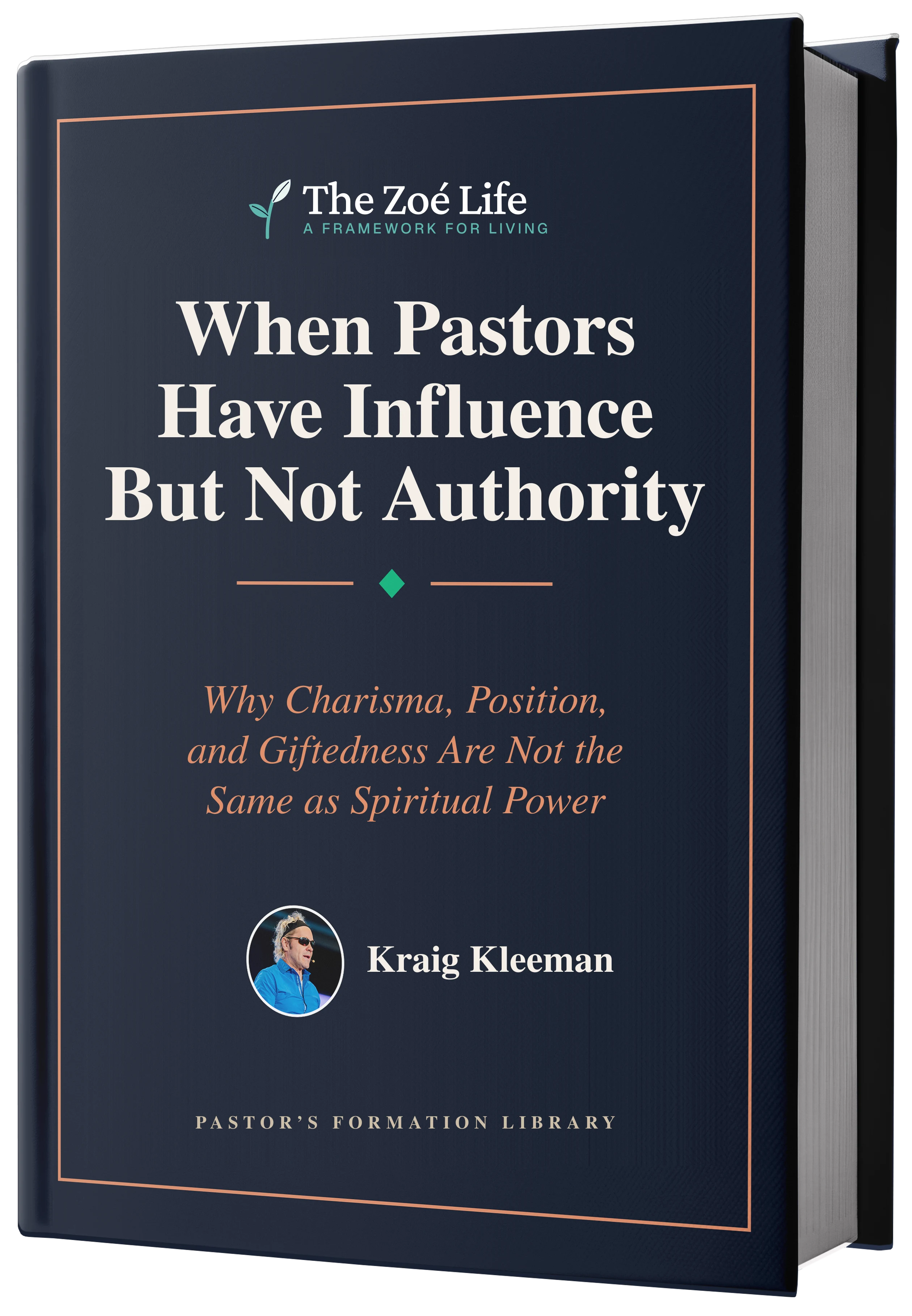
When Pastors Have Influence But Not Authority
Why Charisma, Position, and Giftedness Are Not the Same as Spiritual Power
A clear distinction between visible ministry influence and the spiritual authority that comes from intimacy, obedience, and formation.

Why Good Pastors Stop Hearing God
How Ministry Activity Can Quietly Replace Spiritual Attentiveness
How ministry activity can quietly replace spiritual attentiveness, and how faithful pastors can learn to listen again.