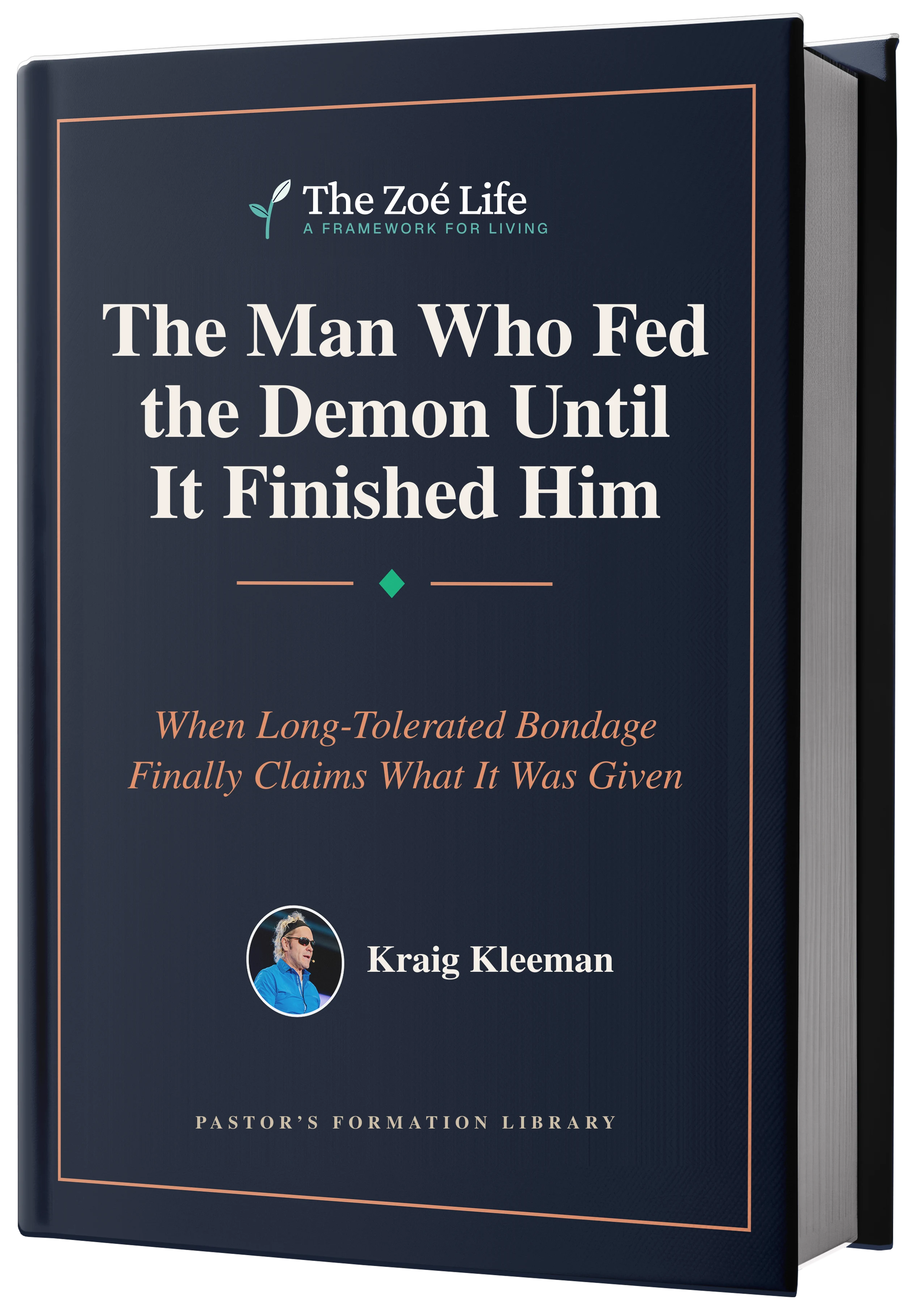
The Man Who Fed the Demon Until It Finished Him
When Long-Tolerated Bondage Finally Claims What It Was Given
A fictionalized parable about a man who called his bondage freedom, the family who learned to live around it, and the warnings he outlived.
- 12 chapters
- 56-page PDF
- About 50 minutes to read
- Team discussion guide included
By Kraig Kleeman, founder of The Zoé Life
The Core Premise
Walter thought he owned the bar. But the bar had begun to own him.
Why This Matters
Walter's first drink felt like belonging. Decades later, the thing he called freedom had shaped his marriage, his children, and his end. This parable explores how bondage begins with invitation, how families adapt around what no one confronts, and why surviving a warning is not the same as receiving it.
What You'll Discover
- How bondage begins with a yes
- Why survival is not peace
- How bondage becomes generational
- The warnings we outlive
- Closing the door before it deepens
From the Book
That is how many bondages begin. Not with chains, with invitation. Not with destruction, with belonging. Not with terror, with pleasure.
But survival is not peace. And adaptation is not healing.
That is one of bondage’s final cruelties. It destroys the life it promises to relieve, then convinces the person that life without it would be unbearable.
For your team · Included with the book
Read it together
A printable discussion guide for small groups, recovery ministries and pastor cohorts reading The Man Who Fed the Demon Until It Finished Him together. 4 conversations, one for each part of the book. Each one opens with a line from the book, then gives you questions and one practice to carry into the week.
Session 1 · Prologue and Chapters 1–3
The First Yes
That is how many bondages begin. Not with chains, with invitation. Not with destruction, with belonging. Not with terror, with pleasure.
4 questions · 1 practice
Session 2 · Chapters 4–6
The House That Learned to Fear Him
But survival is not peace. And adaptation is not healing.
3 questions · 1 practice
Session 3 · Chapters 7–9
The Demon He Fed
Something had been given room. Something had found permission. Something had learned that when Walter drank, the gate opened.
3 questions · 1 practice
Session 4 · Chapters 10–12
The Demon Finishes Its Work
That is one of bondage’s final cruelties. It destroys the life it promises to relieve, then convinces the person that life without it would be unbearable.
3 questions · 1 practice
Free sample · The whole first sessionSession 1: The First YesPart One · Prologue and Chapters 1–3Read Session 1Close
That is how many bondages begin. Not with chains, with invitation. Not with destruction, with belonging. Not with terror, with pleasure.
— Chapter 1
For the leader: This book deals with alcohol, anger, and harm in a family. Keep the conversation on Walter's story and on general patterns. Do not press anyone to share. If someone is struggling with addiction or is not safe at home, help them connect with a pastor, counselor, or recovery group after the meeting.
Prologue · The Text Message
What did the text message tell you about how this story would end, and why do you think the book begins there?
Chapter 1 · The Boy Who Learned to Drink
Why do bondages so often begin with belonging and pleasure rather than with obvious danger?
Chapter 2 · The Man Who Mistook Loss of Restraint for Freedom
What is the difference between freedom and a loss of restraint?
Chapter 3 · The First Warnings
Why are early warnings so easy to explain away?
Practice for the week
Each person privately finishes one sentence: Something I once said yes to that now asks more of me is… Keep it between you and God.
The full guide opens from inside the book after you buy it, and prints straight from the page for each person on your team.
Related Ebooks
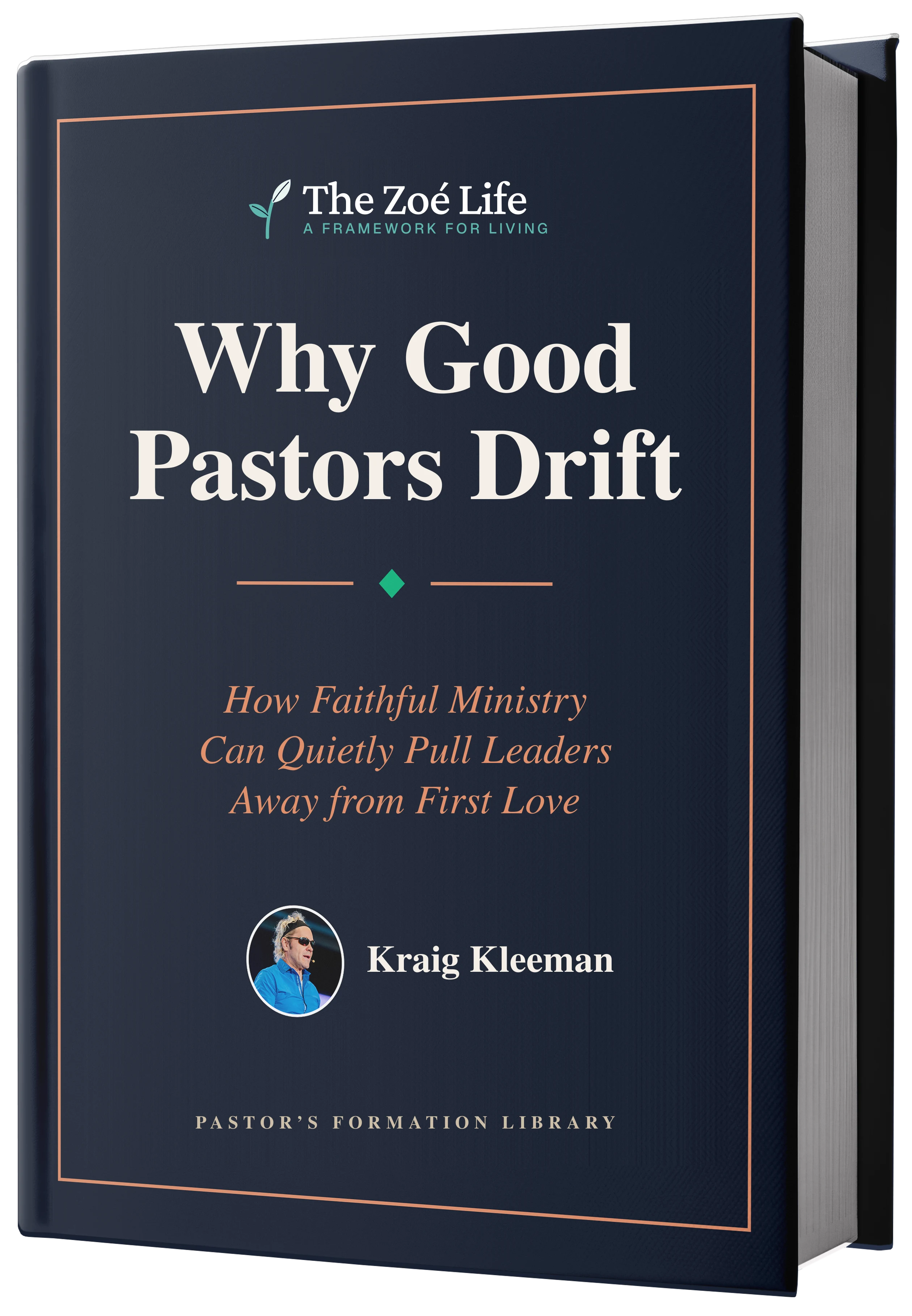
Why Good Pastors Drift
How Faithful Ministry Can Quietly Pull Leaders Away from First Love
A searching and compassionate look at how sincere pastors can remain productive, respected, and fruitful while slowly losing the closeness with God that first called them into ministry.
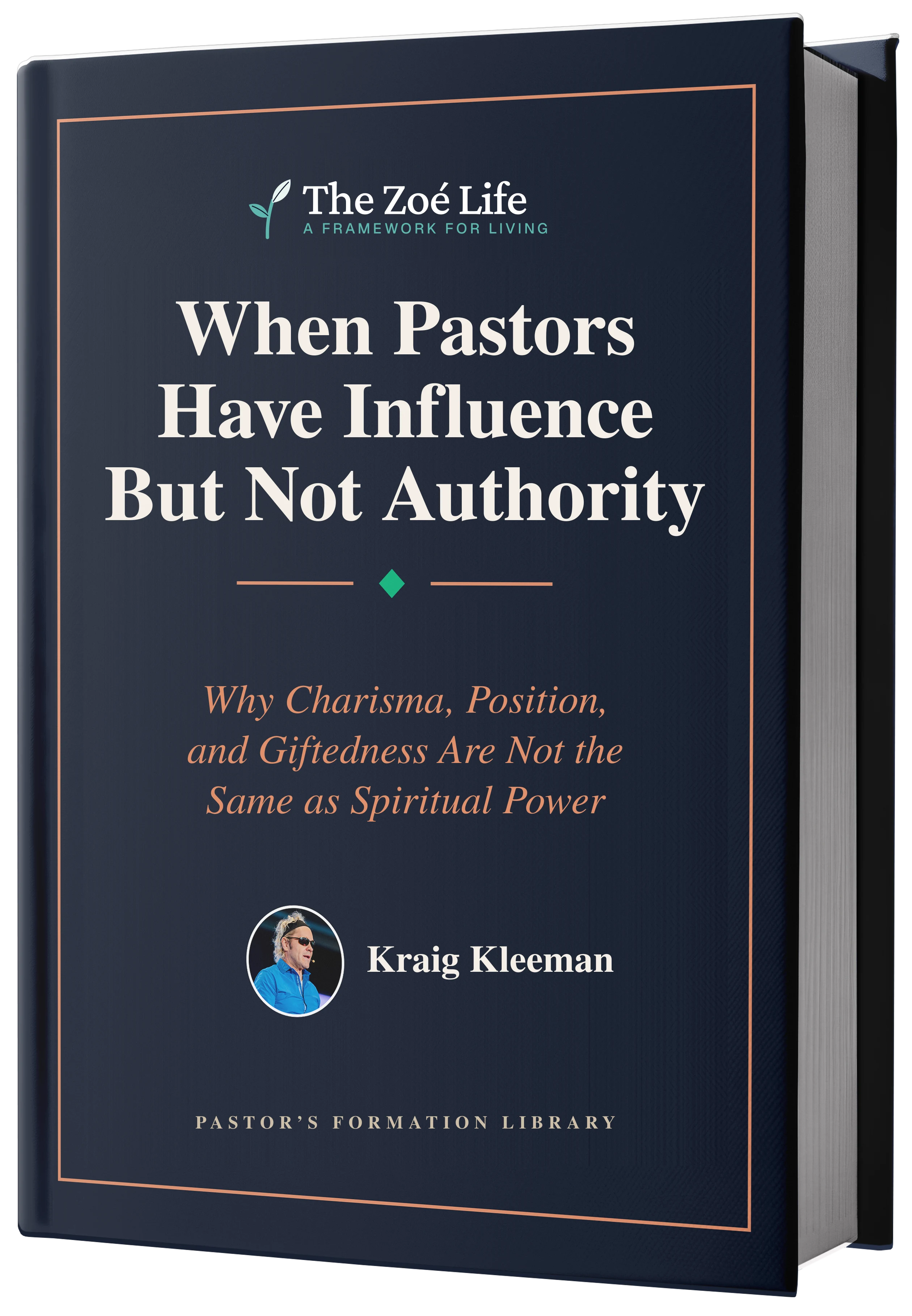
When Pastors Have Influence But Not Authority
Why Charisma, Position, and Giftedness Are Not the Same as Spiritual Power
A clear distinction between visible ministry influence and the spiritual authority that comes from intimacy, obedience, and formation.
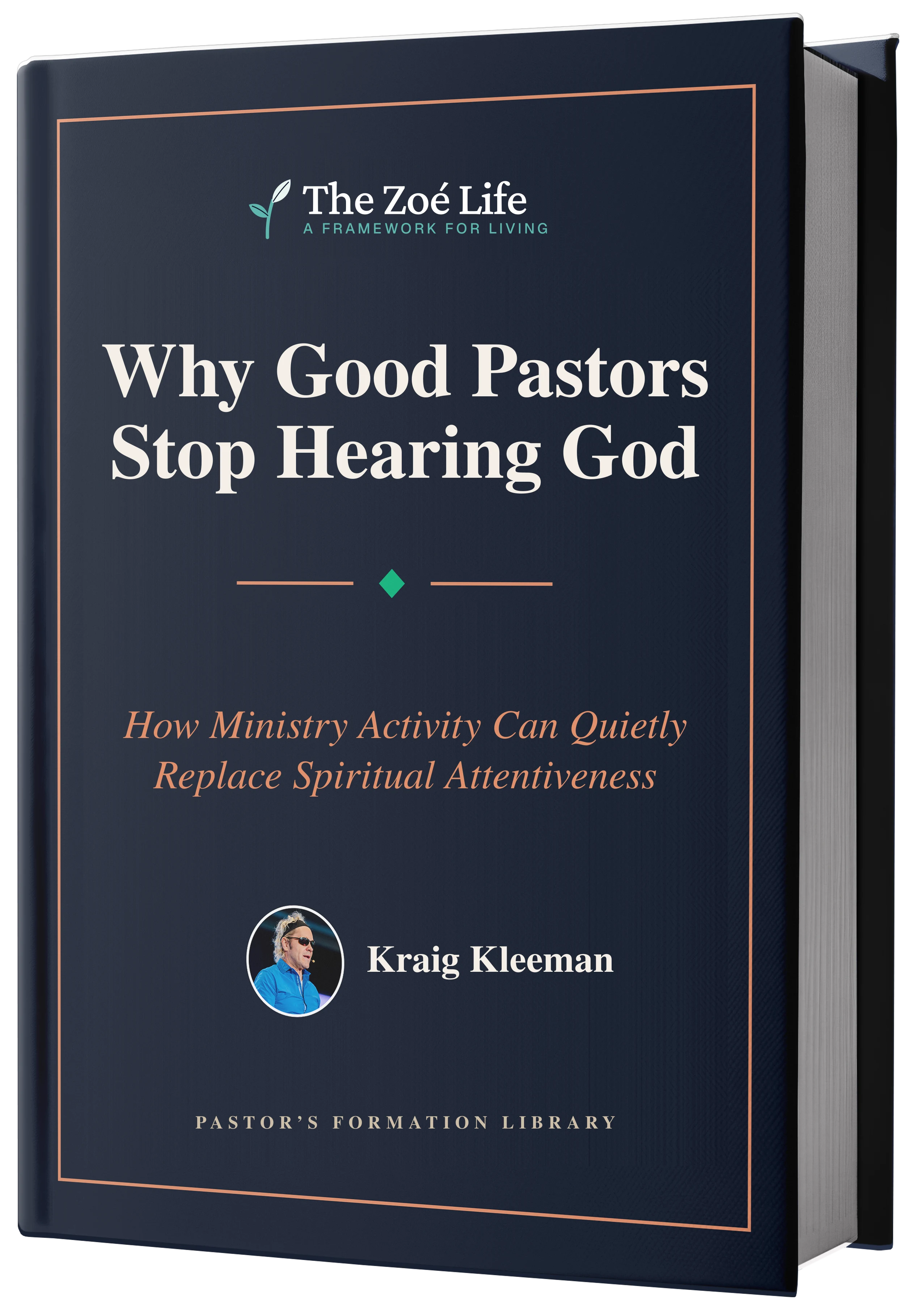
Why Good Pastors Stop Hearing God
How Ministry Activity Can Quietly Replace Spiritual Attentiveness
How ministry activity can quietly replace spiritual attentiveness, and how faithful pastors can learn to listen again.