
The Zoé Life

Spiritual Formation Series

Church Growth and
the Metrics That Matter

Are We Measuring What Jesus Is Forming?

Spiritual Formation
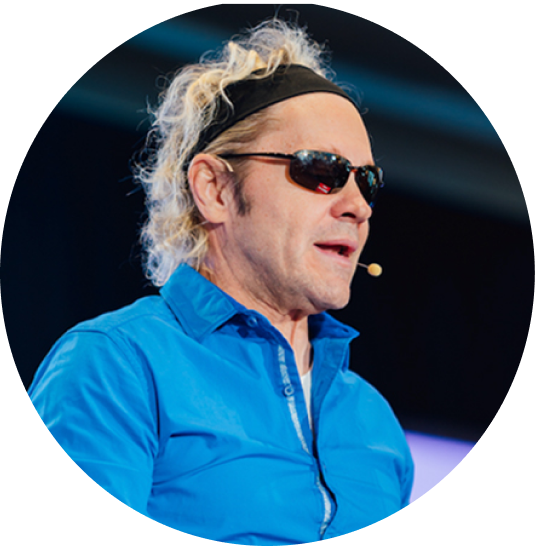
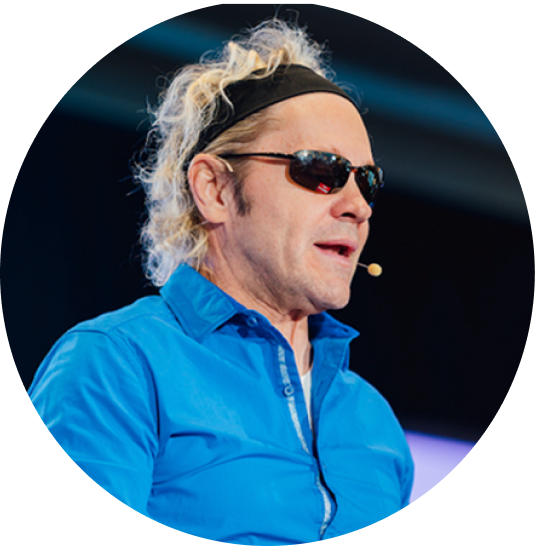
Kraig Kleeman

Kraig Kleeman

Founder, The Zoé Life

Positioning Statement

Activity tells us what people are doing. Formation tells us who people are becoming.

This book is not an argument against counting. It asks churches to keep the numbers they already track and add a second scorecard, one that helps leaders see what Jesus is forming in their people.

© 2026 Kraig Kleeman. All rights reserved.

No part of this publication may be reproduced, distributed, transmitted, or used in any form without prior written permission from the author, except for brief quotations used in reviews, teaching, discussion, or commentary.

Disclaimer

This ebook is intended for spiritual formation, biblical reflection, and Christian discipleship. It is not a substitute for medical care, counseling, pastoral oversight, or professional advice. Readers should seek appropriate medical, pastoral, and professional guidance when needed.

Part One

The Question Behind the Numbers

When Ministry Becomes the Answer

In the dream, I was leading a small gathering of pastors I had known for years. We had spent the first part of our time doing what old friends do. We caught up. We talked about life. We laughed. The atmosphere was easy and familiar. Then the conversation became more intentional. I asked one of the pastors a simple question:

When was the last time God spoke to you clearly?

I expected a personal answer. Perhaps a Scripture that had interrupted him. A conviction that had stayed with him. A prayer that had been answered in a way he could not easily dismiss. A moment when God had corrected him, comforted him, redirected him, or brought something into focus. Instead, he opened his laptop. He began showing me screens from a program his church had implemented. He explained what they had done, how the program worked, and how people were participating in it. There was nothing wrong with the program.

That was what made the moment so striking.

He had not rejected the question. He had answered it with the vocabulary that had become most familiar to him. I had asked about his relationship with God. He answered with ministry activity. And in the dream, I remember thinking: I need to ask the question again. Not more aggressively. Not more critically. Just more personally. Thank you for telling me about the program. But what about you? When has God spoken to you personally? What has He been doing in you? Then I woke up. For several minutes, I lay there thinking about the difference between two questions:

What is your church doing?

What is God doing in you? They are not the same question.

And perhaps one of the quiet challenges facing the modern church is that we have become far more fluent in answering the first than the second.

The Language We Know Best

Ask a pastor how the church is doing, and the answer usually comes quickly. Attendance is up. Giving is steady. We added another service. Small-group participation is growing. We baptized twenty-three people last quarter. The youth ministry is expanding. We launched a new campus. We sent a missions team overseas. We trained forty new leaders. These are meaningful answers. They represent people, sacrifice, work, courage, stewardship, and often genuine fruit.

Churches should care about these things. A church that never asks whether anyone is attending, giving, serving, being baptized, or being sent is not necessarily more spiritual. It may simply be poorly led. Numbers can reveal important realities. But they can also create an illusion of completeness. We may know how many people came into the building without knowing what is happening inside the people who came. We may know how many completed a discipleship course without knowing whether they became more forgiving. We may know how many joined a small group without knowing whether anyone in that group has learned to confess sin, receive correction, reconcile conflict, or obey Christ when obedience becomes costly. We may know how many people were baptized without knowing what happened after the water dried. We may know how many leaders were trained without knowing whether those leaders are becoming more humble, more prayerful, more discerning, or more dependent on God. We know what happened around them.

Do we know what happened within them? That is a different kind of question. And it is much harder to answer.

What Is Easy to Count. Churches have always counted things. The book of Acts records numbers. Crowds mattered. Conversions mattered. Baptisms mattered. Churches being established mattered. Leaders being appointed mattered. So the problem is not measurement. Measurement can be an act of stewardship. If a church says it exists to reach its city, it should know whether it is reaching anyone. If a ministry says it is planting churches, it should know whether churches are actually being planted. If leaders are entrusted with money, they should account for it carefully. If an organization says it is training leaders, it should know whether leaders are actually being trained. The difficulty begins when the things that are easiest to count gradually become the things we use to define success.

Attendance is visible. Giving is visible. Baptism is visible. Program participation is visible. Spiritual formation often is not. Patience does not appear on the weekly dashboard. Forgiveness rarely has a line item. Humility is difficult to chart. The slow breaking of a destructive pattern may never appear in an annual report. A husband learning to listen to his wife differently is difficult to capture in aggregate. A woman who has lived for years under fear but is gradually learning to trust God may not move any institutional metric. A businessman deciding that obedience matters more than profit may never be counted.

Yet these may be among the clearest signs that discipleship is actually working.

Three Different Questions

Part of the confusion disappears when we distinguish three kinds of questions.

Activity asks

What are people doing?

  • Are they attending?
  • Serving?
  • Giving?
  • Joining groups?
  • Reading Scripture?

Organizational growth asks

What is the ministry becoming?

  • Is it expanding?
  • Planting?
  • Training leaders?
  • Reaching more people?
  • Building capacity?

Spiritual formation asks

Who are the people becoming?

  • More loving?
  • More obedient?
  • More forgiving?
  • More prayerful?
  • More discerning?
  • More free?
  • More like Jesus?

Healthy churches should care about all three. But they should not confuse them. Activity can support formation. Organizational growth can create environments where formation occurs. Neither automatically tells us whether formation is happening.

The Answer Behind the Laptop. That is why the laptop in my dream stayed with me. The pastor's answer was not scandalous. It was normal. He did what church leaders are trained to do. He described the program. He showed the system. He explained the activity. He reported what had happened organizationally. In many ministry environments, that is exactly what leadership requires.

What leadership usually asks

  • What did you launch?
  • How many people came?
  • How much did it cost?
  • How many leaders participated?
  • Did it work?
  • Should we do it again?

What rarely fits a dashboard

  • What is God teaching you?
  • Where are you being convicted?
  • What are you obeying now that you were resisting a year ago?
  • What Scripture is shaping the way you live?
  • Where has fear lost some of its grip?
  • Whom have you forgiven?
  • What destructive pattern is weakening?
  • Where are you becoming more like Jesus?

Those are good questions. But they are not the only questions. There is another set that rarely fits cleanly into a dashboard. Those questions do not reject church activity. They ask what the activity is producing. The church does not exist merely to generate Christian activity. It exists to make disciples. And discipleship is ultimately about people being formed into the likeness of Christ.

Paul described his ministry to the Galatians with the phrase, "until Christ is formed in you." We will return to that biblical vision in greater depth. For now, the phrase gives us enough to ask the question beneath every ministry report:

How would we know if Christ were actually being formed in the people?

The Question Beneath Church Growth

The church-growth conversation has often centered on important questions. How do we reach more people? How do we plant more churches? How do we develop leaders? How do we mobilize people for mission? How do we build healthier organizations? We should continue asking those questions.

But another question belongs beside them:

Are the people becoming more like Jesus?

That question does not make attendance irrelevant. It asks what attendance is leading toward. It does not make small groups irrelevant. It asks what kind of people are emerging from them. It does not diminish baptism. It asks what happens after baptism. It does not dismiss leadership development. It asks what kind of leaders are being developed.

The question beneath church growth is not simply:

How large did we become?

It is: What kind of people are we becoming?

A Better Follow-Up Question. In the dream, I never reached the point of asking the pastor my follow-up question. I woke before I could. But perhaps that unfinished conversation is the right place to begin this book. Because the task ahead is not to accuse pastors of caring about the wrong things.

It is to ask a better question.

Thank you for telling me what the church is doing. Now tell me what is happening in the people. Where are they growing? Where are they changing? Where are they becoming free? Where are they learning obedience? Where are they becoming more loving? Where are relationships being healed? Where is character being formed? Where are people becoming capable of helping someone else follow Jesus? And perhaps the deepest question of all:

Are we measuring what Jesus is forming?

That question does not require us to throw away the measurements we already have. It asks us to see their limits. And the best way to see those limits is to look closely at the kind of report churches already know how to write.
Every pastor can describe what the church is doing. Speak to Zoé helps you notice what God is doing in you.

Explore Speak to Zoé

The Annual Report

A few days before I began writing this book, I opened Vineyard USA's annual report. It was beautifully designed, thoughtfully organized, and full of evidence that a national church movement had been active, generous, mission-minded, and intentional about leadership development. The report told me that 133,588 people call Vineyard USA churches home. It reported 491 congregations across the movement. It highlighted 8,768 people who had said yes to Jesus and 5,517 people who had been baptized. It celebrated millions of dollars contributed by churches, money designated for church planting, new churches launched, pastors engaged in regional gatherings, leaders equipped, missions partnerships developed, worship leaders trained, and ministry activity extending around the world. It was not a shallow report. It was not obsessed with attendance alone. It included evangelism, justice, pastoral health, leadership development, missions, church planting, worship, theology, finances, conferences, diversity, succession, and training.

In other words, it did exactly what a responsible annual report is supposed to do. It gave organizational visibility. And yet, as I moved through page after page, I found myself asking another question:

What do these numbers tell us about what is happening inside the people?

That is not a criticism of Vineyard USA. Vineyard USA is not unusual in what it measures. If anything, the clarity and breadth of its public reporting make it especially useful for seeing the larger question this book is asking. I use it here not because Vineyard is uniquely deficient, but because its transparency allows us to see the strengths and limits of conventional church reporting more clearly. Nothing in the annual report tells us that formation is not occurring. It simply was not designed to tell us whether, where, or how that formation is occurring over time.

The question is about the limits of the instrument. An annual report is designed to report what an organization can responsibly see and count at scale: activity, reach, stewardship, participation, outputs, and institutional movement. Those things matter. A thoughtful annual report can therefore tell us a great deal about a movement while leaving other questions—especially questions of personal formation—to different kinds of tools and conversations.

The Numbers Are Real

Consider the number 5,517. That many people were baptized. That is not merely a metric. It represents thousands of human beings who publicly identified with Jesus. Some may have come to faith after years of resistance. Some may have emerged from addiction, grief, skepticism, family pain, or spiritual indifference. Some may have grown up around Christianity and only recently made faith their own.

Every number has a story behind it. The same is true of the 8,768 people who said yes to Jesus. The same is true of churches planted, pastors trained, leaders developed, missions partnerships formed, and dollars given. A church that stops counting these things does not become more spiritual simply because it has stopped using numbers. Measurement can be an act of stewardship. If thousands of people are being baptized, leaders should know. If churches are being planted, leaders should know. If pastors are engaging in regional gatherings, leaders should know. If millions of dollars are flowing through a movement, leaders have a responsibility to account for them carefully. If hundreds of leaders are being trained, that activity should be visible.

There is nothing inherently unspiritual about a spreadsheet. The problem begins when the spreadsheet is asked to answer questions it was never designed to answer.

What the Report Can Tell Us. The report can tell us about scale.

  • How many churches?
  • How many people?
  • How many baptisms?
  • How much giving?
  • How many leaders?
  • How many countries?

It can tell us about participation. Who attended? Who engaged? Who completed training? It can tell us about organizational priorities. Where did money go? What initiatives received attention? What kinds of ministry expanded? It can reveal movement. More churches. More baptisms. More leaders. More participation.

Those are meaningful realities.

But they are primarily realities of the organization and its activity. That distinction matters.

What the Report Was Not Designed to Tell Us

The same report cannot easily tell us whether people are becoming more forgiving. Whether prayer is becoming more relational. Whether Scripture is increasingly shaping ordinary decisions. Whether people are recognizing conviction and responding to it. Whether destructive patterns are weakening. Whether fear is losing some of its control. Whether marriages are becoming healthier. Whether believers are becoming more discerning. Whether mature Christians are becoming capable of helping others follow Jesus. Those realities are not necessarily absent. They are simply harder to see. The report was not built to measure them. A thermometer is not defective because it cannot measure blood pressure.

It was built to measure something else.

Our traditional church metrics may have the same limitation. They answer important questions. But not every important question.

Output and Outcome. This distinction becomes clearer when we separate outputs from outcomes. A conference was held. That is an output. A leadership course was completed. That is an output. A small group was launched. That is an output. A mission team was sent. That is an output. A person was baptized. That is a visible ministry event and an important spiritual milestone.

But outcome asks another question:

What changed because the activity happened?

Did the conference alter anything in the way people lived? Did the leadership course produce more than competence? Did the small group become a place of honesty, accountability, forgiveness, and repair? Did the mission experience deepen compassion and generosity? Did baptism become the beginning of sustained discipleship? An output tells us what ministry did. An outcome begins to tell us what the ministry produced in people. The two are related. They are not identical.

The Annual Report We Know How to Write. The modern church has become very capable of writing the first kind of report. We know how to count congregations. We know how to report budgets. We know how to calculate giving. We know how to count baptisms. We know how to report conference participation. We know how to track video views, podcast listens, group registrations, course completions, and volunteer participation. These measures are visible because our systems produce them naturally. Registration systems capture attendance. Accounting systems capture money. Church-management systems capture baptisms, membership, and groups. Digital platforms capture views and clicks. Formation is different. There is no automatic field for forgiveness. There is no standard report for humility.

A dashboard does not alert a pastor that people are becoming increasingly informed but less responsive.

There is no common annual metric for reconciliation. There is no easy counter for the number of people who recognized a pattern of sin, brought it into the light, and began walking differently. These realities are more interior, relational, gradual, and personal. That makes them harder to measure. It does not make them less important.

The Missing Half of the Story

Imagine two reports sitting beside each other.

The first says: Here is how many people came.

Here is how much was given. Here is how many were baptized. Here is how many churches were planted. Here is how many leaders were trained. Here is how far the ministry reached.

The second asks: Are people becoming more prayerful? Is Scripture increasingly shaping life? Are people responding to conviction? Are destructive patterns weakening? Are relationships being repaired? Is discernment maturing? Are believers becoming capable of helping others follow Jesus? Which report matters? Both. That is an important distinction for everything that follows. The second report should not replace the first. It should complete the story. Church leaders need organizational visibility. They also need formational visibility. We need to know whether the church is reaching people. And we need better ways to understand what is happening in the people we reach.

A Different Kind of Report. After looking at the real Vineyard USA annual report, I began imagining another report beside it. Not a replacement. An addition. A report that might include evidence of prayer, Scripture application, obedience, relational repair, discernment, freedom, and disciple-making over time. A report that would still acknowledge how limited any measurement of spiritual life must be. A report that would never pretend to quantify the human heart.

But a report willing to ask:

Are there observable patterns of formation?

Could a church know more than it knows now? Could leaders become more attentive to trajectory without becoming intrusive? Could stories, reflection, and aggregate patterns help reveal whether discipleship is producing maturity? Those questions move us beyond the annual report itself. They force us to ask something more fundamental. Before we decide what to measure, we have to decide what ministry is actually trying to produce. And that is where the conversation turns from organizational reporting to theology.

Are We Measuring What Jesus Is Forming?

Churches measure because they are trying to accomplish something. That sounds obvious. But it raises a more important question:

What, exactly, are we trying to produce?

If the goal is attendance, then attendance is a sufficient metric. If the goal is financial stability, then giving matters most. If the goal is organizational expansion, then campuses, church plants, leaders, and reach become central. If the goal is participation, then groups, serving, classes, and volunteer engagement become primary.

But if the goal is deeper than all of those—if the goal is that people increasingly become like Jesus—then none of those measurements can stand alone. They may support formation. They may create environments where formation occurs. They may even be evidence that something healthy is happening.

But they are not the same thing as formation. That distinction is not merely strategic. It is theological.

Until Christ Is Formed in You. Paul used striking language when writing to the Galatians. He described himself as laboring until Christ was formed in them. That phrase gives us a different definition of ministry success.

Not merely: until the room is full;

until the budget is healthy; until the campus launches; until the class is completed; until the person volunteers.

But: until Christ is formed in you.

Paul's concern was not simply whether people had entered the Christian community. He cared about what they were becoming within it. That is the biblical tension behind this book. The church can gather people. Teach people. Organize people. Mobilize people. And still need to ask:

Is Christ being formed in them?

Conformed to the Image of His Son. Romans 8 gives us another way to describe the goal. Believers are being conformed to the image of God's Son. That is not primarily organizational language. It is transformational language. The aim is not simply that people become more involved in Christianity. The aim is that they increasingly resemble Christ. The same theme appears in 2 Corinthians, where believers are described as being transformed into the Lord's image. Formation. Transformation. Image. These are central New Testament categories.

  • A person can become more active in churchwithout becoming more like Jesus.
  • A person can gain more biblical informationwithout becoming more loving.
  • A person can become more skilled in leadershipwithout becoming more humble.
  • A person can become more influentialwithout becoming more mature.

That possibility matters because it means organizational progress and spiritual progress are related but distinct.

Present Everyone Mature in Christ

In Colossians, Paul describes his ministry goal as presenting everyone mature in Christ. Again, the emphasis is development. Maturity implies movement. Something changes over time.

  • A reactive personbecomes becomes more patient.
  • A fearful personbecomes becomes more trusting.
  • A harsh personbecomes becomes gentler.
  • A passive personbecomes becomes more responsive.
  • A self-centered personbecomes becomes more generous.
  • A confused personbecomes becomes more discerning.

The New Testament does not treat maturity as an abstract theological idea. It becomes visible in character, wisdom, endurance, obedience, relationships, and love. So if maturity is a legitimate ministry goal, churches should become increasingly interested in whether maturity is actually occurring. Not because it can be quantified perfectly.

But because movement can be observed.

The Measure of the Fullness of Christ. Ephesians 4 gives another framework. Paul describes ministry leaders equipping the saints until the body reaches maturity and grows into the fullness of Christ. The purpose of leadership is not presented merely as institutional expansion. It is the development of a mature people. That means programs are means. Buildings are means. Leadership systems are means. Budgets are means. Groups are means. Teaching ministries are means.

The question is what those means are producing. A church can have excellent systems and still struggle with maturity. A movement can expand and still discover that its people remain spiritually passive. A congregation can be biblically informed and relationally unhealthy. Those possibilities do not invalidate the systems. They remind us what the systems are for.

Fruit Makes the Invisible Visible. Jesus repeatedly used the language of fruit. Fruit matters because it connects the invisible and the visible. Roots are hidden. Fruit is not. The interior life eventually produces exterior evidence. That is why Galatians 5 is so important to any conversation about formation. Love. Joy. Peace. Patience. Kindness. Goodness. Faithfulness. Gentleness. Self-control. These are not church activities. They are qualities of life. A person can attend faithfully without becoming more patient. A person can serve constantly while becoming resentful. A person can give generously while remaining controlling. A person can know Scripture while using that knowledge harshly. The fruit of the Spirit forces us to ask a different kind of question.

Not only: What is this person doing? But: What kind of person is this person becoming?

That is a formation question.

Abiding Before Producing

In John 15, Jesus connects fruitfulness to abiding. That order matters. Fruit does not emerge primarily from religious busyness. It comes from remaining in Him. This does not make activity irrelevant. It puts activity in its proper place. Activity should flow from relationship.

That is why the dream that opened this book matters. A relational question produced an organizational answer. The issue was not that the program was wrong. The issue was that the categories had blurred. Abiding is difficult to measure directly. It is personal. Relational. Often hidden.

But over time, abiding should leave evidence. Character changes. Obedience increases. Peace deepens. Discernment matures. Love becomes more visible. The invisible life begins producing visible fruit.

Hearing and Doing. James makes the distinction even sharper. He warns against hearing the word without doing it. That means exposure to truth is not the same as transformation by truth. A church can preach excellent sermons every week. People can take notes. Attend Bible studies. Listen to podcasts. Read books. Learn doctrine. And remain unchanged in critical areas of life.

The question is not simply:

Did they hear?

It is: Did they respond?

That is why obedience belongs near the center of any serious formation framework. If Scripture confronts bitterness, was reconciliation attempted? If conviction exposes dishonesty, did behavior change? If pride is revealed, was there repentance? If fear governs a decision, was trust practiced? Formation becomes visible when truth moves from information into response.

Knowledge Is Necessary but Not Sufficient. Christian maturity requires truth. The church should teach theology. It should teach Scripture carefully. It should help believers think clearly. But knowledge alone does not equal formation. A person can explain sanctification without practicing forgiveness. A person can defend biblical doctrine while remaining emotionally reactive. A person can teach about prayer while barely praying. A person can speak about dependence on God while functioning almost entirely through self-reliance.

The issue is not knowledge versus experience. The issue is whether knowledge is becoming embodied. Biblical truth is meant to shape life. Formation occurs when what we believe increasingly governs how we live.

What Ministry Is Trying to Produce

If we gather these biblical themes together, a picture emerges. Jesus is forming people who:

abide in Him;

love one another; obey what He teaches; bear fruit; grow in maturity; walk in the Spirit; renew their minds; practice forgiveness; develop endurance; live generously; make disciples; and reflect His character. That is a very different set of outcomes from a standard church dashboard. Again, the dashboard is not bad. It is incomplete. A church can report attendance.

Jesus is forming faithfulness. A church can report giving. Jesus is forming generosity. A church can report Bible study participation. Jesus is forming obedience. A church can report leadership development. Jesus is forming character. A church can report mission activity.

Jesus is forming compassion and courage. A church can report baptisms. Jesus is forming disciples. The organizational metric may describe the setting. The formational question asks what is being produced within it.

What We Should Not Try to Do. Formation measurement should never become spiritual ranking. We are not trying to assign maturity scores, grade people, rank congregations by holiness, or quantify the work of the Holy Spirit. The human heart is too complex, growth too uneven, and people's starting points too different. Only God sees completely. The purpose is not judgment. It is attention. We can ask whether a person is becoming more forgiving, more responsive, more free, and more aligned with Jesus than they were before.

The goal is not spiritual ranking. It is spiritual visibility.

We are not asking who has arrived. We are asking where transformation is occurring.

Are We Measuring What Jesus Is Forming? This brings us back to the governing question of the book. If Jesus is forming a people, are we measuring anything that helps us see it? If the goal is maturity, are we observing maturity? If the goal is fruit, are we looking for fruit? If the goal is obedience, are we asking about obedience? If the goal is Christlike character, are we noticing character? If the goal is discipleship, are we tracking development after conversion? If the goal is transformation, are we measuring only participation? The church may already be measuring many important things. The question is whether those things correspond closely enough to the outcomes Scripture emphasizes. We should not abandon attendance.

Giving. Baptisms. Church planting. Leadership development. Mission. But we should ask what those things are producing. Because eventually every church-growth strategy must face a deeper theological question:

Growth into what?

If the answer is Christlikeness, then our measurements must eventually move beyond what the church is doing and begin paying attention to who the people are becoming. That is where the measurement challenge really begins.

Part Two

Why Our Metrics Stop Too Soon

What Gets Counted Gets Attention

Every organization learns to look where its numbers point. That is true in business. It is true in education. It is true in health care. And it is true in the church.

  • If attendance drops sharply,leaders notice.
  • If giving declines,leaders notice.
  • If volunteer participation weakens,leaders notice.
  • If baptisms decrease,leaders notice.
  • If registrations for an event are low,leaders notice.

Numbers create visibility. Visibility creates attention. Attention creates response. That is why metrics matter far more than most of us realize. They do not merely tell us what happened. Over time, they help determine what leaders discuss, what they celebrate, what they fund, what they correct, and what they pursue. What we measure does not merely describe ministry.

Over time, it helps direct ministry.

The Red Number on the Dashboard. Imagine a church leadership meeting on Tuesday morning. The team is reviewing the previous weekend. Attendance is down. Giving is below budget. Children's ministry participation has slowed. Small-group registration is weaker than expected. Immediately, the meeting has direction. Why is attendance down? Is the decline temporary? Are people disengaging? Do we need to adjust communication? What happened to group participation? Are we missing something? These are reasonable questions. The numbers have done their job. They have surfaced something that deserves attention.

Now imagine a different set of conditions. Prayer among the congregation has quietly weakened. People still attend. Giving remains steady. Programs are full. But fewer people can describe a meaningful prayer life than could a year ago. Would the leadership team know? Suppose unresolved bitterness is increasing. People continue serving. They continue attending. The church appears healthy.

But conflicts are lingering longer and relational repair is becoming less common. Where would that appear? Suppose people are learning more Scripture while acting on less of it. Would any dashboard turn red? The problem is not that leaders do not care about these things. The problem is that some of the realities that matter most are harder to see.

Metrics Train Our Eyes

A metric is not simply a number. It is a way of looking. When leaders track attendance every week, they become highly sensitive to attendance. When they track giving, they become highly sensitive to giving. When they track participation, they become highly sensitive to participation. That sensitivity is useful.

But every measurement system creates emphasis. It teaches leaders what to notice. It creates repeated questions. And repeated questions eventually shape organizational instincts. If a leadership team asks every week:

How many people came?

How much was given? How many volunteered? How many groups launched? How many people registered? Then those questions naturally become important. Now imagine if leaders also asked:

Where are people growing?

Where are they stuck? What are people responding to? Where are relationships being repaired? Where is Scripture moving from information into action? Where is Christlike character becoming more visible? The second set of questions trains attention differently. It does not eliminate the first. It enlarges what leaders are able to see.

What Gets Celebrated Gets Repeated

Churches communicate priorities not only through what they measure but through what they celebrate.

A baptism is celebrated. A new campus is celebrated. A successful giving campaign is celebrated. A full conference is celebrated. A new church plant is celebrated. A record attendance weekend is celebrated. Again, all of that is appropriate. Celebration teaches people what matters.

But what else do we celebrate? A marriage that learned repair. A leader who became teachable. A person who forgave after years of resistance. Someone who acted on conviction when obedience was costly. A believer who brought a destructive pattern into the light. A mature Christian who began discipling someone younger.

These victories are often quieter.

But what a church celebrates forms the imagination of the church. People learn what success looks like by watching what leaders applaud. If nearly every public success story involves more people, more money, more activity, more reach, or more growth, believers can begin assuming that those are the clearest signs of spiritual progress. Formation becomes easier to value when formation becomes easier to see.

What Gets Funded Gets Built. Metrics also shape resources. If children's ministry is growing rapidly, the church may hire additional staff. If attendance is expanding, leaders may add services. If a campus is thriving, more resources may flow toward multiplication. If giving increases, new initiatives become possible. Those decisions make sense.

But formation also requires investment. People need leaders who know how to ask deeper questions. They need environments for prayer, reflection, mentoring, confession, discernment, and repair. They need follow-up beyond initial decisions. They need ways to remember what God has been doing over time. If those realities remain largely invisible, they will naturally receive less of the church's time, staffing, and budget. Not because pastors do not care. Because leaders are always making decisions with limited resources and incomplete information. What becomes visible becomes easier to shepherd.

What Leaders Are Rewarded For

There is another dynamic at work. Pastors are often evaluated through organizational outcomes. Did attendance increase? Did giving increase? Did the church grow? Did the new campus succeed? Did the budget remain healthy? Did the ministry hit its goals? Those are legitimate leadership questions.

But if they become the dominant questions, they exert pressure. A pastor may sincerely believe that formation matters most while spending most of the week managing what the organization measures most. That does not require hypocrisy. It requires only a calendar. Budgets need attention. Staff problems need resolution. Events need planning. Sermons need preparation. Buildings need maintenance. Weekend services return every seven days. Church administration is relentless. Because organizational metrics are immediate, visible, and reportable, they can quietly consume the attention leaders intended to give to deeper formation.

The danger is not administration. The danger is allowing administration to become the working definition of ministry.

The Invisible Can Be Neglected Without Anyone Choosing to Neglect It. Most churches do not decide:

We no longer care about spiritual formation.

That is rarely how drift occurs. No leadership team votes to make prayer less important. No pastor formally chooses numerical growth over Christlike character. The shift is subtler. Formation becomes assumed. If people attend, perhaps they are growing. If they join a group, perhaps they are being discipled. If they read Scripture, perhaps they are obeying it. If they serve, perhaps they are becoming generous. Any of those assumptions may be true.

But they may also be false. The organizational system keeps producing visible evidence. The formational system often does not. So what is visible begins to carry more weight than what is important but difficult to see.

Metrics Are Not Neutral. This is why metrics matter so much.

They shape attention.

They shape meetings. They shape budgets. They shape celebration. They shape expectations.

They shape leadership behavior.

And over time, they help shape culture. That does not mean churches should measure everything. A church can drown in data. Nor does it mean every spiritual reality should be quantified. Some things remain mysterious. Some things belong within confidential relationships.

The answer is not surveillance. The answer is intentional attention. Churches should know enough about the spiritual trajectory of their people to ask whether their discipleship systems are doing what they exist to do. That is very different from monitoring individuals. It is organizational self-awareness.

The Question Behind the Dashboard

If attendance declines, churches ask why. If giving declines, churches ask why. If volunteer engagement declines, churches ask why. Perhaps leaders should learn to ask similarly serious questions when formation appears weak. If prayer is thinning, why? If relational repair is rare, why? If people consume years of biblical teaching but remain spiritually passive, why? If Christians participate in church for decades without becoming capable of helping another person follow Jesus, why? Those questions deserve leadership attention too. Because the most important ministry problems are not always the ones already visible on the dashboard. Sometimes the room is full. The budget is healthy. The programs are running. The church is active.

And a deeper question still remains:

What is happening in the people?

If what gets counted gets attention, then the challenge is not simply to count more things. It is to make sure our attention eventually reaches the things Jesus is actually forming. And before we can build that second scorecard, we need to confront one assumption directly:

Activity is not the same thing as formation.

Activity Is Not Formation

Church activity matters. Gathering matters. Serving matters. Giving matters. Bible study matters. Small groups matter. Worship matters. Missions matter. Programs matter. But activity and formation are not the same thing. That distinction is easy to affirm in theory and surprisingly easy to blur in practice. A person can be highly active in church and still remain spiritually immature. They can attend faithfully, serve regularly, give generously, complete discipleship courses, lead a group, and become highly visible in ministry while important parts of the inner life remain largely unchanged. The activity may be sincere. The participation may be meaningful. The ministry may even benefit other people. And still, formation may lag behind.

Participation Is Not Proof. Most churches use participation as one of their clearest indicators of health. That makes sense. If people attend, they are present. If they join a group, they are connected. If they serve, they are contributing. If they give, they are investing. If they complete a course, they are learning. These are positive signs.

But they are not conclusive signs. Participation can create the conditions for formation without guaranteeing formation. A person can sit under good preaching without obeying what is preached. A person can belong to a small group without becoming more honest. A person can serve every weekend without confronting pride. A person can study Scripture while using knowledge to win arguments rather than become more like Christ. A person can lead others while avoiding the areas of their own life that most need transformation.

This is not cynicism.

It is simply the recognition that external participation and internal transformation operate on different levels.

The Faithful Volunteer. Imagine a man who has attended the same church for twelve years.

  • He serves twice a month.
  • He gives consistently.
  • He rarely misses Sunday.
  • He has completed several classes.
  • He knows the language of the church.
  • He understands the rhythms.

By almost every conventional measure, he is engaged. But suppose he has not spoken to his brother in seven years. Suppose resentment has hardened into a permanent story about why reconciliation is impossible. Suppose he knows Jesus' teaching about forgiveness. He may even agree with it.

But he has never allowed that teaching to reach this particular relationship. How should we describe his spiritual condition? The participation record says engaged.

Formation asks another question: Is he becoming more like Jesus?

That question does not negate twelve years of faithfulness. It exposes the limitation of participation as evidence.

Exposure Is Not Transformation

Churches provide enormous amounts of spiritual exposure. Sermons. Worship. Bible studies. Books. Courses. Conferences. Groups. Retreats. Prayer meetings. All of these can be formative. But exposure is not transformation. Hearing a sermon on forgiveness is exposure. Forgiving is formation. Attending a teaching on generosity is exposure. Becoming freer from greed is formation. Completing a course on prayer is exposure. Developing a sustained life of prayer is formation. Learning about discernment is exposure. Becoming slower to presume and quicker to test is formation. Exposure matters because transformation rarely occurs without truth, practice, community, and opportunity.

But churches should be careful not to count exposure and assume transformation.

Christian Activity Can Become a Skill. Every culture teaches people how to function inside it. Church culture does too. Over time, people learn the vocabulary. They learn the expectations. They learn which behaviors are affirmed. They learn how to participate successfully. They may even learn how to sound spiritually mature. This is not necessarily hypocrisy. Often it is simply familiarity. Human beings become competent at the environments they inhabit. That means someone can become increasingly skilled at church without becoming correspondingly mature in Christ. They may know how to lead a prayer without living prayerfully. They may know how to facilitate a group without becoming more vulnerable. They may know how to teach about grace while remaining harsh with others. They may know how to speak about faith while making decisions primarily from fear.

The longer someone remains inside Christian culture, the easier it can become to mistake fluency for maturity.

The Danger of Religious Competence. Churches need competent people. They need leaders who can organize, teach, communicate, plan, and carry responsibility. Competence is a gift. But competence can conceal formation gaps. A gifted teacher can communicate truth while becoming spiritually dry. A gifted pastor can lead growth while neglecting intimacy with God. A gifted worship leader can move a room while struggling to worship privately. A gifted leader can succeed publicly while becoming increasingly defensive or controlling. Giftedness can remain visible even when formation has slowed.

That is why ministry effectiveness and personal maturity should not be treated as the same thing.

Fruit through a person is not always the same thing as fruit in a person.

Both matter. But they are different.

When Activity Masks Stagnation

Activity can also make stagnation harder to see. Busyness creates motion. Motion feels like progress. A full calendar can make spiritual stagnation difficult to notice. Leaders are especially vulnerable to this. Pastors read Scripture to preach. They pray publicly. They counsel people. They prepare devotionals. They attend meetings. They talk about God throughout the week. All of that can create the impression of spiritual vitality.

But talking about God is not the same as being with God. Preparing a sermon is not the same as allowing Scripture to search the preacher. Praying publicly is not the same as cultivating private communion. Helping other people obey God is not the same as obeying Him personally. Ministry can become one of the easiest places to hide from formation because so much spiritual activity is already occurring.

The Question Beneath the Program. Every program eventually needs a second question.

The first question is: Did people participate? The second is: What changed because they participated?

A small group may have strong attendance. Good. Now ask whether people are becoming more known, more honest, more forgiving, and more capable of carrying one another's burdens. A Bible-reading initiative may have hundreds of participants. Good. Now ask whether Scripture is shaping decisions. A generosity campaign may exceed its goal. Good.

Now ask whether people are becoming freer in their relationship with money. A leadership course may graduate fifty leaders. Good. Now ask what kind of leaders they are becoming. The first question measures activity. The second begins to explore formation.

Formation Requires Response. This distinction becomes clearest when truth requires response. Scripture confronts. The person obeys. Conviction comes. The person repents. A relational fracture becomes clear. The person initiates repair. Fear is exposed. The person chooses trust. A destructive pattern becomes visible. The person seeks help. Without response, activity can remain activity. With response, activity can become part of formation.

That is why two people can sit through the same sermon and experience very different outcomes. One hears information. The other recognizes an invitation to change. One takes notes. The other takes a step.

Formation Often Looks Ordinary

Genuine transformation is often unimpressive from the outside. A person becomes slower to interrupt. Someone apologizes more quickly. A leader stops exaggerating. A husband listens differently. A woman becomes less reactive when criticized. Someone who always needed the last word learns to remain quiet. A financially anxious person begins giving with freedom. A successful person becomes teachable. None of these moments will fill an auditorium.

But they may reveal more about discipleship than attendance ever could. Formation often becomes visible in ordinary responses repeated over time.

The Problem With Assuming Growth. The greatest danger is not that churches value activity. The danger is that we use activity to assume growth. If people are attending, we assume they are growing. If they are serving, we assume they are maturing. If they are in a group, we assume community is forming. If they read Scripture, we assume Scripture is forming them. Sometimes those assumptions are correct. Sometimes they are not. Without better questions, we may never know the difference.

A More Honest Definition of Engagement. Churches often speak about engagement. Usually the term means participation. Someone attends, serves, gives, joins, leads, or volunteers. Perhaps spiritual engagement should mean something more. A spiritually engaged person is not merely involved in church activity. They are actively responding to the work of God.

Scripture is being received. Conviction is being noticed. Prayer is becoming relational. Obedience is becoming concrete. Relationships are being addressed. Character is being formed. The person is not merely present. The person is responsive.

Activity Still Matters. None of this is an argument for disengagement. People need worship, Scripture, community, service, mission, and opportunities to practice obedience. Participation gives formation somewhere to happen. The mistake is not participation. The mistake is assuming participation is the finish line. Church activity should function like scaffolding. Scaffolding matters because something is being built, but no one confuses the scaffolding with the building. Programs, groups, gatherings, classes, and ministries create structures within which formation can occur. The deeper question is what those structures are helping to build. Celebrate the activity. Then ask what happened in the people. Once we make that distinction, another problem becomes visible: many of the measures we use as evidence of spiritual growth are not direct measures of formation at all.

They are proxies.

Participation can support formation without proving it. Start keeping a record of what God is actually forming in you.

Start With Speak to Zoé

The Trouble With Proxy Metrics

Once we recognize that activity is not the same thing as formation, another problem comes into view. Churches rarely measure formation directly. Instead, we measure things that seem connected to it. Attendance. Giving. Bible reading. Small-group participation. Serving. Course completion. Leadership involvement. These are useful indicators.

But they are indicators. They are proxies. A proxy is something we use to represent something else that is harder to observe. The danger begins when the proxy quietly becomes the reality in our minds.

If a person attends regularly,

we may assume spiritual hunger.

If someone gives generously,

we may assume freedom from materialism.

If a person reads Scripture every day,

we may assume biblical formation.

If someone serves faithfully,

we may assume humility.

If a believer belongs to a small group,

we may assume meaningful community.

Sometimes those assumptions are correct. Sometimes they are not. That is why proxy metrics must be interpreted rather than merely counted.

A Proxy Can Point Without Proving. A proxy is not useless simply because it is indirect. Much of life depends on proxies. A doctor may use blood pressure as one indicator of cardiovascular health. A school may use graduation rates as one indicator of educational effectiveness. A business may use customer retention as one indicator of satisfaction. The indicator matters.

But it does not tell the whole story. The same is true in church life. Attendance may point toward engagement. But attendance does not prove transformation. Giving may point toward generosity. But giving does not prove freedom from greed. Bible reading may point toward hunger for truth.

But Bible reading does not prove obedience. Serving may point toward selflessness. But serving does not prove humility. Small-group participation may point toward community. But a person can attend a group for years and remain largely unknown. A proxy can point toward formation without proving formation.

Why Churches Depend on Proxies

Churches depend on proxies for a simple reason:

They are easier to measure.

Attendance can be counted. Giving can be totaled. Registrations can be tracked. Volunteer hours can be recorded. Courses can be marked complete. Character is harder. Forgiveness is harder. Humility is harder. Discernment is harder. Obedience is harder. The slow breaking of a destructive pattern is harder.

So organizations naturally gravitate toward what they can see. That is understandable. But what is easiest to measure is not always what is most important to know.

Attendance as a Proxy. Consider attendance. Regular attendance matters.

People cannot be formed by a community in which they are never present.

Gathering exposes believers to worship, Scripture, fellowship, correction, encouragement, prayer, and mission. But attendance alone cannot tell us what is happening in the person who attends. A person can sit in the same seat for ten years and resist the same conviction for ten years. Another person can attend for six months and experience significant transformation. The attendance record may make the first person look more established. Formation may tell a different story. Attendance tells us that a person was present. It does not tell us what happened while they were there.

Giving as a Proxy. Giving can be a meaningful sign of spiritual maturity. Jesus spoke often about money because money can reveal allegiance, fear, trust, desire, and control. But the number still requires interpretation. A wealthy person can give a large amount without significant sacrifice. Another person can give a small amount at genuine cost. Someone can give publicly while remaining privately controlling. Someone can tithe faithfully while using money to manipulate others. Giving may be evidence of generosity. It may also reflect habit, expectation, duty, guilt, or reputation. The financial metric is real. The meaning is not always obvious.

Scripture Engagement as a Proxy

Bible engagement is one of the strongest proxies churches use for spiritual health. And rightly so. Scripture is essential to Christian formation. But the number of chapters read is not the same as the degree to which Scripture governs a life. Someone can read five chapters every morning and remain unteachable. Someone else may sit with five verses and allow them to alter a relationship, decision, or pattern of behavior. The deeper question is not simply:

Did you read Scripture?

It is: What did Scripture do in you? Did it correct you? Did it expose something? Did it redirect you? Did it lead to repentance? Did it produce obedience? The reading habit matters. But the habit is still a proxy for the deeper outcome.

Small Groups as a Proxy. Small groups are often treated as a primary discipleship metric. If someone moves from Sunday attendance into a group, leaders rightly celebrate. But group participation does not automatically produce community. A person can attend a group and remain emotionally guarded. A group can meet every week and never move beyond safe conversation. People can discuss sermons without confessing anything. They can pray for one another without allowing themselves to be known. The better question is not simply:

Are they in a group?

It is: What kind of relationships are forming there?

Serving as a Proxy. Serving can be deeply formative. It can confront selfishness, teach sacrifice, awaken compassion, and help people discover gifts and purpose. But serving can also be driven by approval, guilt, ambition, fear, or the need to be needed. A person can serve constantly and become resentful. Another can serve quietly and become more loving. The volunteer schedule records the same category:

service.

Formation asks what that service is producing in the person.

Correlation Is Not Causation

This distinction becomes especially important when churches talk about what produces spiritual growth. Suppose people who attend small groups are more likely to report spiritual growth. That relationship may be meaningful. But it does not automatically prove that the group caused the growth. People who are already spiritually motivated may be more likely to join groups. The group may contribute. Other factors may contribute too. The same caution applies to Bible reading, serving, giving, conference attendance, and other practices. A relationship between two things can be real without explaining the whole mechanism. That should make churches curious, not cynical.

The question is not whether these practices matter. The question is how they matter, for whom, under what conditions, and toward what outcome.

When the Proxy Becomes the Target. There is another danger. Once a proxy becomes an organizational target, people begin optimizing for the proxy. If the goal is group participation, leaders work to move people into groups. If the goal is serving, leaders work to fill volunteer positions. If the goal is giving, campaigns are built around financial response. If the goal is course completion, systems are designed to increase completion.

None of this is inherently wrong. But a church can become highly successful at increasing the proxy without increasing the underlying reality the proxy was meant to indicate. More people can join groups without becoming more known. More people can serve without becoming more loving. More people can complete courses without becoming more obedient. More people can read Scripture without becoming more Christlike. The metric improves. The formation outcome may not.

The Proxy Trap. This is the proxy trap:

We choose a visible behavior because it seems connected to a desired spiritual outcome.

Then we measure the behavior. Then we optimize the behavior. Then, gradually, we begin to speak as though the behavior is the outcome. Attendance becomes discipleship. Group participation becomes community. Bible reading becomes maturity. Serving becomes selflessness. Giving becomes generosity. Leadership involvement becomes spiritual health. The substitution is subtle.

But once it occurs, a church can become very effective at producing measurable behavior while remaining uncertain about the deeper formation those behaviors were meant to serve.

Better Metrics Ask a Second Question

The answer is not to discard proxies. It is to pair them with deeper questions.

Attendance: What is changing because people are present? Bible reading: What is Scripture reshaping?

Giving: What is happening in people's relationship with money? Serving: What kind of character is service producing?

Small groups: Are people becoming known, accountable, reconciled, and supported? Leadership: Are leaders becoming more humble, healthy, prayerful, and trustworthy?

A proxy becomes more useful when it is connected to the outcome it is meant to indicate.

Stronger Evidence Comes From Convergence. No single indicator proves formation. Self-report matters, but it can be incomplete. Behavior matters, but behavior needs interpretation. Stories matter, but one story may not represent a congregation. Pastoral observation matters, but leaders see only part of a person's life. A stronger picture emerges when several forms of evidence begin to converge. A person reports greater freedom from anger. Their spouse notices it. Their small-group leader sees greater humility. They can describe specific moments when they chose a different response. The pattern persists over time. No one data point proves formation.

But together they create greater confidence. This principle matters because the second scorecard should never pretend to offer certainty where only God sees completely.

What Proxies Are Good For. Proxy metrics still have real value. Attendance can tell us whether people are showing up. Giving can tell us whether financial participation is occurring. Groups can tell us whether people are entering relational environments. Serving can tell us whether people are contributing. Bible engagement can tell us whether people are regularly encountering Scripture.

These are meaningful realities.

But each one should be held with the same humility:

This tells us something.

It does not tell us everything. That may be one of the most important disciplines in church measurement. Refuse to ask a metric to answer a question it was never designed to answer.

The Next Question

If activity is not formation, and if many of our most common measures are proxies, then a harder question follows. How do we begin looking beyond the proxy? One place to start is with one of the clearest events churches already know how to count. A person says yes to Jesus. A person is baptized. The church celebrates. And it should.

But if baptism is a beginning rather than an ending, then the measurement cannot stop at the water. Sooner or later, someone has to ask:

What happened next?

What Happened After the Baptism?

The church knows how to celebrate beginnings. A person raises a hand. A person says yes to Jesus. A person is baptized. The room applauds. Photos are taken. A testimony is shared. The church celebrates because something important has happened. And it has.

But the beginning of discipleship is not the same as growth in discipleship.

That is where one of the most important measurement gaps in the church begins.

The Numbers We Know. Earlier, we looked at the Vineyard USA annual report. It reported 8,768 people who said yes to Jesus and 5,517 people who were baptized. Those are significant numbers. They represent thousands of stories. Thousands of beginnings. Thousands of moments when faith became visible enough to be counted.

But every one of those numbers raises another question:

What happened next?

That question is not skeptical. It is pastoral. Because baptism is not the conclusion of discipleship. It is one of its clearest beginnings.

Month One. Imagine a new believer named Daniel. Daniel was baptized three weeks ago. His church knows the date. His baptism is recorded. Perhaps a photo is stored in the church database. At Month One, Daniel is excited. He attends regularly. He has begun reading Scripture. He is trying to pray. He is telling a few friends about what happened. The church can see some of this.

But even now, deeper questions are emerging. Does Daniel know how to pray when he does not feel anything? Does he know what to do when Scripture confronts something in his life? Does he know how to handle temptation? Does he have anyone he can call when he is confused? Has he begun to understand that following Jesus will eventually require concrete changes? The baptism is visible. The formation process has already become more difficult to see.

Month Three

Three months later, the emotional intensity of the beginning may have faded. Daniel still attends. Perhaps he joined a group. Maybe he is beginning to serve. On the traditional dashboard, things may look good. But suppose an old pattern has returned. Anger. Pornography. Dishonesty. Anxiety. An unhealthy relationship.

Now discipleship becomes more concrete. Will Daniel hide? Will he rationalize? Will he seek help? Will Scripture move from something he reads to something he obeys? Will anyone know enough about his life to help him? These questions matter more to his formation than whether he is still on the attendance list.

Month Six. Six months later, Daniel may know the rhythms of church life better. He knows when services begin. He knows the language people use. He may have friends now. He may have completed a class. But another question has emerged:

What is actually changing?

  • Is he more honest than he was six months ago?
  • Is he more forgiving?
  • Is he more capable of recognizing conviction?
  • Is prayer becoming relational rather than occasional?
  • Is Scripture shaping decisions?
  • Is he learning to distinguish impulse from wisdom?
  • Has any destructive pattern weakened?
  • Has any relationship been repaired?
  • Has obedience cost him anything yet?

These are formation questions. And they are rarely captured by the same systems that captured his baptism.

Year One. A year passes. Daniel is still in the church. That is good. But presence alone tells us very little about trajectory. Suppose he now serves once a month. He attends most Sundays. He gives occasionally. He has learned a great deal. Would the church describe him as growing? Perhaps.

But what evidence would support that conclusion? Maybe Daniel can now identify specific areas where he has changed. He reconciled with his father. He stopped hiding a financial problem. He began praying before reacting. He brought a recurring temptation into the light. He has become slower to blame others. He has started helping a younger believer.

Now we are seeing something more than participation. We are seeing trajectory.

Year Three

Three years after baptism, Daniel may now be considered an established Christian. He may know far more theology. He may be involved in leadership. He may look very different from the person who entered the water three years earlier. Or he may not.

That is the point. Time in church is not the same as formation in Christ. A person can spend years around Christian activity while remaining stuck in the same patterns. Another person can experience deep transformation in a shorter period because they respond actively to truth, conviction, community, and the work of God. The calendar tells us how long someone has been present. It does not tell us what has been formed.

We Measure the Doorway Better Than the Journey. Churches are often excellent at measuring entry points. First-time guest. Decision for Christ. Baptism. Membership. Group connection. Serving. These milestones matter. But once the person moves deeper into the life of the church, the data often becomes less formational and more behavioral. Did they attend? Did they serve? Did they give? Did they complete the next step? The church can trace movement through the system.

But can it trace movement in the person? That is a much harder question.

The Missing Middle. Many churches have a clear beginning and a clear destination. The beginning is conversion. The destination is maturity. The missing part is often the middle. How does a person move from one to the other? How do we know whether that movement is happening? What does progress look like? Where do people typically stall? What kinds of responses indicate deeper formation? What patterns suggest that someone is becoming spiritually passive? The middle matters because most of the Christian life happens there. Not at the moment of conversion. Not at the finish line. In the long stretch between them.

Follow-Up Should Follow Formation

Churches often use the phrase follow-up. A person is baptized, and someone follows up. Perhaps they receive an email. Maybe they are invited to a class. Maybe a leader calls. Maybe they are encouraged to join a group. That is helpful.

But what if follow-up meant more than helping someone enter the church system? What if it meant following the formation itself? What is God teaching you? What are you struggling with? What are you obeying? Where are you stuck? What is changing? What relationship needs attention? What recurring pattern keeps surfacing? What are you learning about prayer? What are you learning about Scripture? That kind of follow-up does not merely move people through a pathway. It pays attention to the person.

Baptism Is a Beginning Worth Following. Baptism gives the church a remarkable opportunity. It marks a visible moment in a person's story. What if that moment became the beginning of a multi-year formation conversation? Not surveillance. Not grading. Not a spiritual performance review. A conversation.

At three months: How are you learning to pray? At six months: Where is Scripture changing how you live?

At one year: What has Jesus formed in you that was not present a year ago? At two years: Where are you still resisting change?

At three years: Who are you now helping follow Jesus?

Imagine the difference between a church that records baptisms and a church that also follows formation after baptism. The first knows how many began. The second is learning how disciples develop.

What Development Might Look Like. Spiritual development will never look identical from person to person. But certain movements can still be observed. Prayer becoming more consistent. Scripture becoming more formative. Conviction becoming easier to recognize. Repentance becoming quicker. Obedience becoming more concrete. Relationships becoming healthier. Fear losing some of its control. Generosity increasing. Discernment maturing. A person serving from love rather than approval. A believer becoming capable of helping another believer grow. None of these means the person has arrived. They indicate direction. And direction is one of the clearest ways to understand formation.

From Celebration to Stewardship

The church should celebrate baptisms enthusiastically. But celebration should lead to stewardship. A person has entered a life of discipleship. The church now has a responsibility. Not to control the person. Not to manage every decision. But to create conditions in which growth can be seen, encouraged, challenged, and supported. The baptism statistic tells us that a beginning occurred. The discipleship question asks whether that beginning is developing into a life.

What Happened Next? This may be one of the simplest and most important questions a church can learn to ask. A person came to faith. What happened next? A person was baptized. What happened next? A person joined a group. What happened next? A person completed a course. What happened next? A person started serving. What happened next?

The question forces us to move from event to trajectory. From participation to development. From beginning to formation. And once a church starts asking that question seriously, another realization follows. The existing scorecard is not enough. We need another one.

What Happened Next?

We measure the beginning of discipleship more carefully than its development

Baptisms get counted. The months that follow rarely do. Speak to Zoé is a daily place to capture prayers, convictions, and answered prayer, so the story of what God is forming does not disappear.

Start Remembering With Zoé

Part Three

A Second Scorecard

The Missing Scorecard

By this point, the problem should be clear. Churches already measure many important things. Attendance. Giving. Baptisms. Church plants. Leadership development. Missions. Groups. Serving. These metrics tell us something real. But they do not tell us enough about who people are becoming.

That is why the answer is not to throw away the existing scorecard. The answer is to add another one.

Two Scorecards. The first scorecard measures organizational health. The second measures spiritual formation.

The first asks: What is the church doing? The second asks: What is happening in the people?

The first helps leaders understand reach, stewardship, activity, participation, and capacity. The second helps leaders understand trajectory, maturity, obedience, character, discernment, freedom, relationships, and reproduction. A healthy church needs both. That is the central proposal of this book.

Why One Scorecard Is Not Enough. If a church measures only organizational growth, it may become very effective at expansion while remaining uncertain about formation. If a church pays attention only to inward spirituality, it may lose sight of stewardship, mission, participation, and reach. The answer is not either-or. It is both-and. A church should know whether people are coming. And whether the people who come are changing. A church should know whether giving is healthy. And whether generosity is growing. A church should know whether baptisms are increasing. And whether discipleship is developing after baptism. A church should know whether people are joining groups. And whether those groups are producing deeper community. A church should know whether leaders are being trained.

And whether those leaders are becoming more like Jesus.

The Organizational Scorecard. The organizational scorecard answers questions such as:

The Organizational Scorecard

  1. How many people attend?
  2. How many are giving?
  3. How many are serving?
  4. How many were baptized?
  5. How many churches were planted?
  6. How many leaders were trained?
  7. How many people participated in groups?
  8. How many people engaged in missions?
  9. How healthy is the budget?
  10. How broad is the reach?

These are legitimate questions. They help leaders steward institutions responsibly. They tell us whether ministry is functioning, expanding, and sustaining the capacity required for mission. But they primarily describe the life of the organization.

The Formation Scorecard

The formation scorecard asks a different kind of question.

The Formation Scorecard

  1. Is prayer becoming more relational?
  2. Is Scripture increasingly shaping decisions?
  3. Is obedience becoming more concrete?
  4. Is Christlike character becoming more visible?
  5. Are destructive patterns weakening?
  6. Is discernment maturing?
  7. Are relationships becoming healthier?
  8. Are people becoming capable of helping others follow Jesus?

These questions are harder. They are less automatic. They require reflection, memory, stories, and time. But difficulty does not make them less important.

The Goal Is Visibility, Not Ranking. The phrase scorecard can create the wrong impression. This is not a holiness ranking. It is not a system for grading Christians. It is not a tool for labeling people spiritually advanced or spiritually weak. It is not a pastoral surveillance system. The purpose is not to assign spiritual scores. The purpose is to create visibility.

The church does not need to know whether someone is a 7.4 spiritually.

It does need better ways to notice whether people are becoming more responsive, more obedient, more free, more discerning, and more like Jesus.

The question is not: How spiritual is this person? The question is: What appears to be changing over time?

That distinction protects the entire framework.

What the Second Scorecard Might Watch. A useful formation scorecard could pay attention to eight broad dimensions:

Relationship with God.

Scripture. Obedience. Character. Freedom. Discernment. Relationships. Mission and reproduction. These categories are not exhaustive. They are not eight scores. They are eight windows. Together, they give the church a practical language for asking whether formation is becoming visible. We will examine each of them in detail later. For now, what matters is the shift they represent. The church begins moving from a single question— How is the ministry doing?

—to a second one: How are people being changed through the ministry?

One Dashboard, Two Dimensions

Imagine a leadership team with both dimensions in view. Attendance is up. Giving is strong. Baptisms increased. Those are worth celebrating. Then the team asks another set of questions. Prayer appears to be deepening. Good. But relational repair remains weak.

Scripture engagement is high. Good. But concrete obedience is inconsistent. Serving is strong. Good. But many people appear spiritually exhausted. Now the church has a more complete picture. The second scorecard does not cancel the first. It helps interpret it.

That is the power of two scorecards.

What the Second Scorecard Changes. The second scorecard changes what leaders can ask.

Instead of only: Did people attend? They can also ask: What changed because they attended?

Instead of only: Did people join a group? They can ask: What kind of relationships are forming?

Instead of only: Did people complete the course? They can ask: What are they obeying now that they were not obeying before?

Instead of only: Did leaders receive training? They can ask: What kind of leaders are they becoming?

This is the difference between organizational visibility and formational visibility.

From More to Deeper. Traditional church-growth language often emphasizes more. More people. More leaders. More churches. More resources. More reach. Those things can be good. But growth also has another dimension. Deeper prayer. Deeper obedience. Deeper freedom. Deeper relationships. Deeper maturity. The church needs to understand both width and depth. More and deeper. Reach and formation. Capacity and character. The two scorecards belong together because the mission of the church includes both expansion and transformation.

The Missing Scorecard. The organizational scorecard tells us whether ministry is functioning. The formation scorecard helps us ask whether ministry is forming people. One reveals activity and capacity. The other reveals trajectory. One helps us steward the institution. The other helps us steward the mission of discipleship. We need both.

But once we say that, a new challenge appears. How do we observe formation without reducing people to numbers? How do we see growth without creating spiritual rankings? How do we compare change across time without pretending people develop in straight lines?

The answer begins with a simple principle:

Measure direction, not perfection.

Measure Direction, Not Perfection

The moment we begin talking about a formation scorecard, one concern appears immediately. Are we going to score people? Are pastors supposed to decide who is mature and who is not? Are churches going to rank Christians? That would be a mistake. Spiritual formation is too personal, too complex, too uneven, and too sacred to be reduced to a single number.

But refusing to rank people does not mean refusing to observe growth. The better question is not:

How spiritual is this person?

The better question is: Is this person moving toward greater Christlikeness?

That shift changes everything.

Formation Is a Direction. Spiritual formation is rarely a clean upward line. People grow unevenly. Someone may become more generous while still struggling with fear. Someone may develop a deeper prayer life while still carrying unresolved relational patterns. Someone may become more biblically grounded while slowly learning how to forgive. That does not mean formation is failing. It means formation is human. The important question is whether there is movement. Is the person becoming more responsive? More honest? More obedient? More free? More loving? More discerning? Formation is better understood as direction than arrival.

Before and Now. One of the simplest ways to recognize formation is to compare before and now. Before, I reacted immediately. Now, I pause. Before, I hid. Now, I ask for help. Before, I defended myself. Now, I can apologize. Before, I prayed only in crisis.

Now, prayer has become part of ordinary life. Before, I carried bitterness for months. Now, I move toward forgiveness more quickly. Before, I needed to be right. Now, I am becoming teachable. None of these statements claims perfection. They reveal trajectory.

The Same Struggle Can Look Different. A person can still struggle with the same issue and still be growing. Consider fear. A year ago, fear may have governed every major decision. Today, the person may still feel fear but no longer obey it automatically. The feeling remains. The response has changed. That is formation. Or consider anger. A person may still become angry.

But perhaps anger no longer becomes a three-day withdrawal. Perhaps repair happens the same day. Perhaps the person can now identify the fear or pride underneath the anger. The struggle remains. But the pattern is different. That difference matters.

Static Scores Miss Movement

Static scores create false certainty. They tempt us to imagine that maturity can be captured in a snapshot. But a snapshot can miss trajectory. A person who appears weak in one moment may be making remarkable progress from where they began. Another person may appear strong because they have learned Christian language and behavior while remaining largely unchanged beneath the surface. A static score tends to reward appearance. Trajectory requires history. To understand formation, we need to know where the person has been, what has changed, and what patterns are developing over time.

Comparison Is a Poor Measuring Stick. Spiritual comparison is another danger. People begin from different places. Different histories. Different family systems. Different wounds. Different temperaments. Different levels of biblical knowledge. Different struggles. If we compare people primarily to one another, we may misread formation. One person may appear mature because they are naturally disciplined. Another may appear less mature because obedience is costing them much more internally.

Comparison asks: How are you doing compared with someone else? Formation asks: How are you responding compared with who you were?

Growth Can Look Worse Before It Looks Better. Sometimes genuine formation initially makes a person look worse. Greater self-awareness can expose what was previously hidden. A person who once said, "I do not struggle with anger," may later say, "I am beginning to see how often anger controls me." Has that person become worse? Not necessarily. They may have become more honest. A leader who once appeared confident may begin acknowledging insecurity. A marriage that looked peaceful may begin confronting years of avoidance. A person who claimed to have no doubts may begin naming real questions. Truth can make a situation look messier before it becomes healthier. A measurement system that rewards only polished answers can punish honesty.

That would be the opposite of formation.

Setbacks Do Not Erase Growth

Formation also includes setbacks. A person may return to an old pattern. Someone may relapse. A relationship may fracture again. Fear may return in a new season. A leader may repeat a mistake they thought they had outgrown. A setback matters.

But it does not automatically erase previous growth.

The better questions are: How quickly was the setback recognized? How honestly was it addressed? Was help sought sooner? Was repentance deeper? Was repair attempted? Was the person more teachable than before?

Sometimes growth is visible not in the absence of failure but in the way failure is handled.

The Speed of Response Matters. One of the most useful ways to observe trajectory is to notice the gap between conviction and response. How long does it take a person to recognize that something is wrong? How long before they admit it? How long before they act? How long before they seek help? How long before they attempt repair?

The issue may not disappear immediately. But the response can become quicker. A person who once resisted conviction for months may now respond within days. Someone who once hid failure may now bring it into the light early. A person who once needed to be confronted may begin initiating confession. The shortening of that gap can be a significant sign of formation.

Measure Patterns, Not Moments. A single moment can mislead. One generous act does not prove generosity. One angry outburst does not prove chronic immaturity. One powerful prayer experience does not prove a mature prayer life. One failure does not erase years of progress. Formation becomes clearer through patterns. Repeated choices. Repeated responses. Repeated acts of obedience. Repeated evidence of character. Patterns reveal trajectory more reliably than isolated moments.

This is why time matters.

Longitudinal Formation

Longitudinal measurement simply means observing change across time. That may sound clinical, but the principle is deeply pastoral.

  • Where were you six months ago?

  • Where are you now?

  • What has changed?

  • What has remained stuck?

  • What has become easier?

  • Where does resistance remain?

  • What old pattern has weakened?

  • What new responsibility are you ready to carry?

This kind of reflection helps people recognize growth they might otherwise miss. It also helps leaders see where discipleship needs more attention.

Evidence Reveals Trajectory. Any measurement system creates the possibility of performance. If people believe there is a correct spiritual answer, many will learn to give it. That is why questions should ask for evidence rather than labels.

Instead of: Are you more mature this year? Ask: Where have you responded differently than you would have a year ago?

Instead of: Are you closer to God? Ask: What has changed in the way you pray, trust, listen, or obey?

Instead of: Are you more patient? Ask: Can you describe a recent moment when you handled frustration differently?

Concrete reflection is harder to fake and more useful for growth.

Self-Assessment Matters. People need to participate in recognizing their own formation. Pastors cannot see everything. Small-group leaders cannot see everything. Even close friends see only part of the story. Self-assessment matters because formation includes awareness. Can I recognize what God is doing in me? Can I name where I am resisting? Can I see recurring patterns? Can I describe an area where I have changed? Can I identify where I still need help? A mature formation system should make people more reflective, not more dependent on institutional evaluation.

Community Matters Too

Self-assessment alone is not enough. We can misread ourselves. We can minimize. We can exaggerate. We can hide. Community provides another lens. A spouse may notice greater patience. A friend may see less defensiveness. A small-group leader may notice greater honesty. A pastor may observe increasing faithfulness. When self-reflection and relational observation converge, the picture becomes stronger.

What Is Becoming Easier to Obey? One useful formation question is:

What is becoming easier to obey?

Not because obedience should become effortless. But because repeated formation changes instincts. Generosity may once have felt threatening. Now it feels more natural. Apologizing may once have felt humiliating. Now it feels necessary. Prayer may once have felt awkward. Now it feels relational. Waiting may once have felt unbearable.

Now it feels possible. Formation gradually reshapes what feels normal.

What No Longer Controls You? A second useful question is:

What no longer controls you the way it once did?

Fear may still appear. But it no longer makes every decision. Approval may still matter. But it no longer governs identity. Money may still create anxiety. But it no longer determines obedience. Anger may still arise. But it no longer dictates the entire relationship. Freedom is often gradual. Trajectory helps us see it.

What Can You Carry Now? Formation also increases capacity. A person who once needed constant support may now support others. A person who once avoided conflict may now help reconcile others. A believer who once needed basic encouragement may now mentor someone younger in faith. A leader who once reacted defensively may now receive correction and remain steady. Growth becomes visible in what a person can now carry with faithfulness.

Direction Creates a Healthier Scorecard. Once trajectory becomes the guiding principle, the formation scorecard becomes much healthier.

We stop asking: Who is mature? And begin asking: Where is growth occurring?

We stop asking: Who is spiritual? And begin asking: Where is responsiveness increasing?

We stop asking: Who has arrived? And begin asking: What direction is this person moving?

This is more consistent with the slow, uneven, relational nature of discipleship. The church does not need a scoreboard that rewards polished Christians. It needs a way to recognize movement. Less hiding. More honesty. Less reactivity. More patience. Less avoidance. More obedience. Less fear-driven living. More trust. Less spiritual passivity. More responsiveness. This is not perfection. It is direction. And once direction becomes the principle, the next question becomes possible:

What exactly should we look for?

What signs help us recognize movement toward Christlikeness? That is where we turn next.

Eight Signs of Formation

If formation is best understood as trajectory rather than rank, the next question is practical:

What should we look for?

No single measure can tell us whether someone is becoming more like Jesus. But several dimensions, considered together, can help make formation more visible. The following eight signs are not a complete theology of maturity. They are not eight scores. They are eight windows. They give individuals, groups, pastors, and churches a practical way to ask:

Where is movement occurring?

Where is there resistance? Where is growth becoming visible? Where does formation still need attention?

1. Relationship With God. Christian formation begins with relationship. Not merely belief about God. Not merely activity for God. Relationship with God. That relationship includes prayer, worship, dependence, attentiveness, trust, surrender, gratitude, and a growing awareness that God is not simply the subject of Christianity but the living center of the Christian life. This is where the dream that opened this book remains important. I asked a pastor when God had last spoken to him personally. He answered with a program.

The issue was not that the program was wrong. The question was relational. A person can spend enormous amounts of time around the things of God while becoming less practiced in relating to God personally. That means a formation framework should ask more than whether people attend worship or participate in prayer events. It should ask whether relationship with God is becoming more central and more real.

Questions might include: Is prayer becoming part of ordinary life rather than only crisis response? Are people bringing decisions, fears, desires, and disappointments into relationship with God? Are they growing in dependence rather than self-reliance? Are they becoming more attentive to God's activity in daily life? Are they developing a history with God they can remember and describe?

The goal is not dramatic spiritual experience. The goal is relational attentiveness. A possible trajectory statement might sound like this:

Before, I prayed mostly when I needed something. Now, I am learning to remain in conversation with God throughout ordinary life.

That is formation.

2. Scripture

The second sign is not simply Bible exposure. It is biblical formation. Churches can often measure whether people read Scripture, attend Bible studies, complete reading plans, or listen to sermons. Those are useful indicators. But the deeper question is:

Is Scripture increasingly governing the person's life?

A person can know the Bible well and remain resistant to correction. Another person may know less but respond deeply to what they understand. Formation becomes visible when Scripture moves from information into conviction, decision, and action.

Questions might include: Is Scripture correcting assumptions? Is it shaping moral decisions? Is it confronting sin? Is it strengthening faith? Are people learning to test impressions, teachings, and desires against Scripture? Are they becoming more willing to submit cherished opinions to biblical truth? This category also protects the formation framework from becoming purely subjective. Christian formation is not whatever a person experiences as meaningful. It is shaped and bounded by Scripture. A possible trajectory statement might be:

Before, I read Scripture mainly to learn. Now, I increasingly expect Scripture to confront and change me.

3. Obedience and Responsiveness. Obedience may be one of the clearest indicators of formation. It reveals whether awareness is leading to response. A person can experience conviction without obeying it. Understand Scripture without acting on it. Recognize a broken relationship without attempting repair. Sense the need for change and postpone it indefinitely. Formation becomes visible when response begins to follow recognition.

That is why one of the most useful questions in this book is:

Is the gap between conviction and response getting smaller?

Consider two believers who both recognize that they need to apologize. One waits six months. The other waits six hours. Both may still struggle with pride. But their responsiveness is different.

Questions might include: Are people able to identify specific acts of obedience? Are they becoming quicker to repent? Are they taking difficult steps rather than merely agreeing with truth? Are they responding to conviction without needing constant external pressure? A useful trajectory statement might be:

Before, I often knew what I needed to do but delayed. Now, I am becoming quicker to act when I know what obedience requires.

4. Christlike Character

Character is where formation becomes difficult to fake over time. Giftedness can impress people. Knowledge can impress people. Leadership can impress people. Character eventually reveals the person. The New Testament points repeatedly toward qualities such as love, joy, peace, patience, kindness, goodness, faithfulness, gentleness, self-control, humility, endurance, truthfulness, and integrity. These qualities shape how a person carries power, handles frustration, receives correction, treats weaker people, manages conflict, and behaves when no recognition is available.

Questions might include: Are people becoming more patient under pressure? More truthful when truth costs something? Less defensive? More teachable? More consistent across public and private life? Is humility becoming visible in the way they lead and relate? A church may report that it trained one hundred leaders.

That is useful.

The formation question is: What kind of leaders are they becoming?

A possible trajectory statement might be:

Before, criticism immediately made me defensive. Now, I can stay present long enough to ask whether there is something I need to learn.

5. Freedom. Formation also includes freedom. Not freedom from every struggle. Freedom from being governed by what once controlled us. Fear. Bitterness. Approval. Addiction. Anger. Shame. Control. Unforgiveness.

The question is not: Do you ever struggle? The question is: Does the struggle still rule you in the same way?

Questions might include: What pattern has weakened? What no longer controls decisions the way it once did? Where has secrecy decreased? Where has help been sought? Where has a destructive cycle been interrupted sooner? Where has bitterness begun giving way to forgiveness? Freedom must be handled carefully.

Some struggles involve trauma, addiction, mental health, medical realities, or long-term recovery that should never be reduced to simple spiritual effort. A formation framework should not shame people for slow progress. It should notice genuine movement toward healthier response and greater freedom. A possible trajectory statement might be:

Before, fear decided for me. Now, I still feel fear, but I am learning not to let it make every decision.

6. Discernment

Discernment is the ability to recognize, test, and wisely respond to what is happening spiritually, emotionally, relationally, and morally. This matters in every Christian tradition, even when traditions use different language. For churches that emphasize hearing God, prophecy, dreams, impressions, or spiritual gifts, discernment becomes especially important. Experience alone is not maturity. Testing is part of maturity. Questions might include:

Is it consistent with Scripture?

Does it reflect the character of Jesus?

What fruit does it produce?

What does wise counsel say?

Does it remain credible over time?

Am I willing to admit that I may be wrong?

That last question matters. Mature discernment tends to produce humility rather than certainty about everything. The goal is not to create believers who attribute every impulse to God. The goal is to form believers who are attentive, biblically grounded, patient, open to testing, and responsive. A possible trajectory statement might be:

Before, I acted quickly on what I felt. Now, I am learning to test impressions through Scripture, character, fruit, counsel, and time.

7. Relationships and Community. Relationships may be one of the clearest laboratories of spiritual formation. It is easier to sound mature in a Bible study than in a marriage conflict. It is easier to talk about grace than to extend grace to someone who has hurt us.

That is why formation should eventually become visible in the way people treat one another.

Questions might include: Are apologies becoming more honest? Is forgiveness increasing? Are people learning to repair conflict rather than disappear from it? Are marriages becoming healthier? Are people developing wiser boundaries? Are they becoming more able to tell the truth without cruelty? Are they becoming more able to hear truth without retaliation? Relationships also protect us from an overly private spirituality. A person may believe they are growing dramatically while the people closest to them experience no meaningful change. That discrepancy matters. A possible trajectory statement might be:

Before, conflict meant distance. Now, I am learning to stay present, listen, apologize, and pursue repair.

8. Mission and Reproduction

Formation eventually turns outward. A disciple is not being formed merely for private spiritual satisfaction. Love moves toward others. Generosity serves others. Compassion notices others. Truth is shared with others. Mature disciples begin helping others mature. This dimension includes service, witness, generosity, compassion, mentoring, hospitality, leadership, and disciple-making.

But once again, activity alone does not prove formation. A person can serve while driven by approval. A person can lead while avoiding personal change. The deeper question is whether outward activity is becoming the overflow of inward transformation.

Questions might include: Are people becoming more aware of the needs around them? Is generosity increasing? Are they willing to inconvenience themselves for others? Are they sharing faith naturally and courageously? Are mature believers investing in younger believers? Are people becoming capable of helping someone else follow Jesus?

One of the clearest signs of maturity is a growing capacity to help someone else mature.

A possible trajectory statement might be:

Before, my faith was almost entirely about what I needed from church. Now, I am beginning to ask who I can serve, encourage, and help grow.

The Eight Signs Work Together. The eight dimensions are strongest when considered together. Relationship with God without Scripture can become subjective. Scripture without obedience can become informational. Obedience without character can become performative. Character without freedom can conceal unresolved bondage. Freedom without discernment can become impulsive. Discernment without relationships can become isolated. Relationships without mission can become inward. Mission without relationship with God can become activism. The categories correct and strengthen one another. Together, they create a fuller picture of formation.

Not Eight Scores. It is important to say this clearly. These are not eight numbers to assign to every Christian. The framework becomes distorted if it turns into ranking. The categories are better used as windows. Where is movement occurring? Where is there stagnation? Where is there contradiction? Where does someone need support? Where is growth already happening that should be celebrated? The purpose is better visibility and better conversation.

What This Could Look Like in Practice

Imagine a believer reflecting on these eight dimensions once or twice a year. Not with a score. With evidence.

Relationship with God: What has changed in the way I pray, trust, listen, or depend on God? Scripture: Where has Scripture changed my thinking or behavior?

Obedience: What have I actually done in response to conviction? Character: Where are people closest to me seeing change?

Freedom: What controls me less than it used to? Discernment: Where am I becoming slower, wiser, and more testable?

Relationships: Where have I pursued forgiveness, repair, honesty, or healthier boundaries? Mission: Who am I serving, encouraging, mentoring, or helping follow Jesus?

Those questions do not perfectly measure formation. But they make formation more visible than participation metrics alone.

The Questions Become the Culture. A formation framework does more than generate information. It teaches people what matters. If a church repeatedly asks about prayer, Scripture, obedience, character, freedom, discernment, relationships, and mission, those categories become part of the spiritual vocabulary of the community. People begin to expect growth in those areas. They begin to notice them. Talk about them. Celebrate them. The questions themselves become formative. The next step, then, is not to build a complicated measurement system. It is to learn how to ask questions that help people recognize these realities in their own lives. Because before better metrics come better questions.

Better Questions

Sometimes the difference between shallow discipleship and deeper formation begins with a question. Not a new program. Not another curriculum. A question. That realization was at the center of the dream that opened this book. I asked a pastor when God had last spoken to him personally. He answered by describing a church program. My instinct in the dream was not to correct him. It was to ask again. More personally. More specifically. More deeply. The moment revealed something important:

Better formation may begin with better questions.

Questions Direct Attention. Questions create a lens. Ask someone what they learned, and they begin searching for insight. Ask where they sensed conviction, and they begin searching for moments they may have overlooked. Ask what they obeyed, and they begin examining whether insight became action.

That is why the questions churches repeatedly ask become spiritually important. If the questions are mostly organizational, people learn to think organizationally. Did you attend? Did you serve? Did you join? Did you complete the course? Did you give? These are legitimate questions.

But if they dominate, believers can begin assuming that participation is the primary language of growth. Formation requires another vocabulary.

From Participation Questions to Formation Questions. Consider the difference.

Participation question: Did you attend the Bible study? Formation question: What did Scripture expose or change in you?

Participation question: Did you join a small group? Formation question: Who knows what you are actually struggling with?

Participation question: Did you serve this month? Formation question: What did serving reveal about your motives, patience, or love?

Participation question: Did you complete the prayer course? Formation question: What has changed in the way you pray?

Participation question: Did you attend the marriage event? Formation question: What are you doing differently with your spouse because of what you learned?

The first set tells us whether someone entered the environment. The second begins to reveal what happened there.

Vague Questions Produce Vague Answers

How are you doing spiritually? Fine. How is your relationship with God? Pretty good. Are you growing? I think so. Those answers may be sincere. The problem may simply be that the questions are too broad. Specific questions create better reflection. Where have you experienced conviction recently? What Scripture has stayed with you? What are you obeying now that you were resisting six months ago? Where are you still avoiding a difficult response? What relationship needs repair? What fear has less control over you than it did a year ago? Who are you helping follow Jesus? These questions require memory. They invite evidence. They move the conversation from impression to formation.

Ask for Evidence, Not Labels. One of the healthiest disciplines in formation conversations is to avoid asking people to label themselves.

Do not ask: Are you mature? Ask: Can you describe a recent situation where you responded differently than you would have a year ago?

Do not ask: Are you more generous? Ask: Where has generosity changed an actual decision?

Do not ask: Are you closer to God? Ask: What has changed in your prayer, trust, attentiveness, or dependence on God?

Evidence is more useful than self-description. It gives the person something concrete to reflect on. And it reduces the pressure to sound spiritual.

The Question After the Sermon. Many churches ask some version of:

What did you think of the message?

That question often produces evaluation. I liked it. It was challenging. The illustration was good. A more formational question is:

What are you going to do because of what you heard? Or: Where did the message confront something in your life? Or: What do you need to obey before this becomes another sermon you remember but never respond to?

That changes the posture of listening. The sermon is no longer merely content to evaluate. It becomes an invitation to respond.

The Question After Scripture

The same principle applies to Bible reading.

We often ask: What did you read? A stronger question is: What did you notice?

Stronger still: What did it reveal about God, about you, or about the way you are living? And then: What will you do with what you saw?

Reading. Recognition. Reflection. Response. Formation becomes more visible when Scripture is connected to action.

The Question After Prayer. Prayer also becomes more visible through better questions. Did you pray today? Useful. But limited.

Consider asking: What are you bringing before God repeatedly? What burden has persisted? What are you asking God to change in you, not merely around you? Where have you sensed correction? What prayer appears to have been answered? What prayer has not been answered, and what is the waiting forming in you? Those questions turn prayer from a completed task into a relational history.

The Question of Obedience. If there is one question worth repeating throughout a church, it may be this:

What are you obeying?

Not: What do you agree with? Not: What did you learn?

Not: What inspired you? What are you obeying? That question exposes the distance between conviction and response. A person may understand forgiveness. Are they forgiving? A person may understand generosity. Are they becoming generous? A person may understand confession. Are they bringing things into the light? A person may understand reconciliation. Are they moving toward repair? Knowledge matters.

But obedience reveals whether knowledge is becoming life.

The Question of Resistance. Formation requires asking not only where growth is occurring but also where resistance remains. What do you already know that you are not doing? That is an uncomfortable question. It may also be one of the most useful. Where are you delaying? Where are you rationalizing? Where are you waiting for more clarity even though you already know enough to act? Where are you protecting something you do not want surrendered?

The goal is not accusation. It is honesty. Formation often becomes possible when resistance becomes visible.

The Question of Patterns

Single moments matter. Patterns matter more. What keeps repeating? The same conflict? The same fear? The same temptation? The same Scripture? The same burden? The same area of conviction? The same kind of relational breakdown? Repeated experiences may reveal a formation theme. Perhaps God is returning to an area because it still needs attention. Perhaps the same relational weakness keeps appearing in different relationships. Perhaps a calling is becoming clearer through repetition. Questions about patterns help people move beyond isolated moments and see the larger story.

The Question of Change Over Time. Because formation is trajectory, some of the best questions require comparison across time. What is different from a year ago? What used to control you that controls you less now? What is becoming easier to obey? Where are you quicker to repent? What do people closest to you say has changed? What struggle is still present but looks different now? What new responsibility are you able to carry?

These questions help people recognize gradual transformation.

Without them, growth can remain invisible even to the person experiencing it.

The Question of Relationships. Relationships often reveal formation more clearly than religious language. So ask relational questions. Whom do you need to forgive? To whom do you need to apologize? Where are you avoiding a necessary conversation? Who can tell you the truth? Who knows your weaknesses? Where are you becoming less defensive? How are the people closest to you experiencing your growth?

That last question can be especially revealing.

If a person believes they are becoming more mature while the people closest to them experience no meaningful change, that discrepancy deserves attention. Formation should eventually become relationally visible.

The Question of Discernment. For communities that want to help people recognize God's activity, the questions must also encourage testing. What do you think God may be drawing your attention to? Why do you think that? What Scripture bears on it? Does it reflect the character of Jesus? What fruit is it producing? What does wise counsel say? Are you willing to wait? Are you willing to be wrong? That final question may be one of the clearest signs of mature discernment. Humility protects attentiveness from becoming presumption. The church does not need to teach people to call every thought the voice of God. It needs to help people become attentive and testable.

The Question of Mission

Formation eventually moves outward. So the questions should as well. Who are you serving? Who are you encouraging? Who are you praying for? Who are you helping grow? Where is compassion costing you something? Who is closer to Jesus because you are following Jesus? That last question should not create pressure for artificial results.

But it reminds us that mature discipleship eventually becomes reproductive.

Questions Should Invite, Not Interrogate. Formation questions can become invasive if they are used badly. The goal is not interrogation. It is invitation. A good question opens space. It does not force disclosure. It respects privacy. It allows someone to say, "I am not ready to talk about that." Trust is essential. People become honest when they believe honesty will be met with grace, wisdom, and appropriate confidentiality. The quality of the question matters. The quality of the relationship matters more.

Questions Should Reward Honesty, Not Performance. If people believe mature Christians are expected to report constant victory, they will learn to perform victory.

If every testimony must end in triumph, people will hide unfinished stories.

If leaders reward certainty, people will learn to sound certain. Formation questions should make room for answers like:

“I do not know.”

“I am still struggling.”

“I think God may be showing me something, but I am still testing it.”

“I obeyed in one area and resisted in another.”

“I have made progress, but I am not free yet.”

Those can be deeply mature answers. A culture of formation must reward honesty more than appearance.

The Question Behind the Metrics. Metrics eventually emerge from questions. If the church asks only organizational questions, it will mostly collect organizational data. If it begins asking formational questions, new kinds of information become visible. Not all of that information should be quantified. Some belongs in stories. Some belongs in private conversations. Some may eventually become anonymous patterns.

But before a church can develop better formation metrics, it needs better formation questions. The questions come first.

Ask Again

I keep returning to the dream. When was the last time God spoke to you clearly? The pastor answered with a program.

And my instinct was: Ask again.

Not because programs are wrong. Not because the pastor was necessarily spiritually dry. But because the first answer had not reached the personal level of the question. Perhaps that is part of the church's opportunity now. Ask again. We know what the program did. What happened in you? We know you attended. What changed? We know you learned. What did you obey? We know you served. What was formed? We know you were baptized. What happened next? Better questions do not guarantee formation.

But they help us see it. And once we begin seeing it, we can begin imagining something the church has rarely been able to produce:

An annual report that tells not only what the organization accomplished, but something about what happened in the people.

Part Four

What This Could Look Like

An Imagined Annual Report

What if an annual report could tell two stories at once? The first story would be familiar. Attendance. Giving. Baptisms. Church plants. Missions. Leadership development. Conferences. Reach. The second story would be different. It would ask what is happening inside the people represented by those numbers. Are they becoming more attentive to God? Is Scripture shaping decisions? Are they learning to recognize conviction? Are they becoming more discerning? Are they obeying more quickly? Are destructive patterns weakening? Are relationships changing? Are people becoming capable of helping others follow Jesus? The church already knows how to write the first report. This chapter imagines what the second might begin to look like.

A Prototype, Not a Verdict. The report in this chapter is hypothetical. The numbers are illustrative. They are not actual Vineyard USA results. Vineyard USA's annual report provides a concrete example because it is a thoughtful organizational report with clear metrics around reach, baptism, leadership, missions, finances, and church planting. The imagined report is not intended as criticism.

It is a prototype.

I chose Vineyard USA precisely because its annual report is substantive, transparent, and useful. The report does the job it was designed to do: it gives leaders and constituents a clear picture of organizational reach, stewardship, mission, leadership, and activity. Nothing in that report suggests that spiritual formation is absent from Vineyard churches. The report simply was not designed to describe formation longitudinally. The imagined report below is a thought experiment: what might become possible if a second layer of visibility were added alongside the first? What might become possible if a church movement decided to report formation alongside activity? Another tradition might use different vocabulary. A Baptist church might emphasize prayer, Scripture, obedience, evangelism, and disciple-making. A Pentecostal church might emphasize gifts, discernment, prayer, and mission. A Reformed congregation might frame some categories differently.

The language can change.

The principle does not: Can a church become more attentive to what is happening in the people?

The First Report

The organizational report asks questions such as:

How many people call our churches home?

How many congregations are part of the movement? How many people said yes to Jesus? How many were baptized? How much was given? How many churches were planted? How many pastors participated? How many leaders were trained? How many countries were reached? Those questions matter.

They answer: What happened through the organization this year?

The Second Report. The imagined formation report asks a different set of questions.

Imagined
  • Are people becoming more attentive to God?
  • Are they developing spiritual memory?
  • Are they testing what they believe they are hearing?
  • Are prayers being answered and remembered?
  • Are spiritual impressions leading to discernment and obedience rather than merely experience?
  • Are people becoming more peaceful, responsive, and biblically grounded?

Those questions answer: What appears to be happening in the people this year?

That difference is the heart of the second scorecard.

Movement One: Attentiveness. Imagine an annual report asking:

What if we could measure attentiveness to God?

The report might say: Three in four believers report greater confidence in recognizing God's activity in their lives than they did one year ago.

Median daily time in listening prayer: fourteen minutes. Again, the numbers are illustrative. The deeper idea is what matters. A church could begin asking whether believers are becoming more practiced in noticing, praying, listening, reflecting, and responding. This would not prove intimacy with God. It would not establish spiritual maturity. It would simply create visibility around a dimension that traditional attendance figures cannot reveal.

Movement Two: Spiritual Memory. Imagine another section. 38,412 prayers were recorded and later revisited. 11,905 dreams or significant spiritual impressions were captured before being forgotten. The point is not volume. The point is memory. A recorded prayer can later become an answered prayer. A recurring Scripture can become visible as a pattern. A conviction can be revisited months later. An impression can be tested rather than remembered vaguely. A person can look backward and see movement that would otherwise disappear. The church has always valued testimony. Spiritual memory gives testimony a history.

Movement Three: Discernment, Not Presumption

Any formation framework that includes impressions, dreams, promptings, or perceived guidance from God must include testing. Otherwise attentiveness can become presumption.

Imagine a report saying: 8,730 dreams or impressions were processed through a six-part discernment framework.

The framework might ask about:

Scripture.

Character. Fruit. Jesus. Counsel. Time. The significant metric would not be the number of spiritual experiences. It would be the number that were tested. That distinction matters.

The church should not become impressed merely because people believe they are hearing God.

Maturity asks whether those experiences are being handled biblically, humbly, and patiently. Discernment is itself a sign of formation.

Movement Four: Response. Imagine another section. 2,614 answered prayers were identified and testified to. 1,038 dreams or impressions were connected to a concrete act of obedience. Again, the numbers are hypothetical. But notice what has changed. The report is moving beyond experience. Prayer is being revisited. Answers are being recognized. Impressions are being connected to action. This matters because spiritual experience without response can become something we consume rather than something that forms us. The deeper question is not merely:

Did something meaningful happen?

It is: What did you do with it?

Movement Five: Formation. The imagined report might eventually summarize outcomes such as:

82 percent report increased confidence in recognizing God's activity in their lives.

68 percent report greater peace and quicker obedience in daily life. These would be self-reported measures. They would need careful interpretation. But they move the report toward a different kind of information. Not simply participation. Not simply exposure. Not simply institutional output. Formation. The language begins to describe trajectory.

Beyond Charismatic Metrics. A Vineyard-oriented report might naturally emphasize hearing God, listening prayer, dreams, impressions, and discernment. But the second-scorecard concept is much broader than charismatic experience. Another formation report might ask:

Is Scripture increasingly shaping decisions?

Are people becoming quicker to forgive? Are marriages showing healthier repair? Are believers becoming freer from destructive patterns? Are leaders becoming more teachable? Are mature Christians mentoring others? Are new believers developing sustainable prayer lives? The prototype is contextual. The principle is universal.

Every tradition can ask: What signs of Christlike formation should we be able to recognize over time?

What Makes the Second Report Different

The difference between the two reports is not that one is spiritual and the other is secular. That would be unfair. Baptisms are spiritual. Missions are spiritual. Church planting is spiritual. Generosity is spiritual. Leadership development can be deeply spiritual. The difference is the question each kind of measurement is designed to answer. The first report primarily tells us what happened through the ministry at an organizational level. The second attempts, with appropriate humility, to make some dimensions of what is happening within people more visible.

That is the distinction.

The Reports Belong Together. Imagine the two reports side by side.

Report One: People reached.

Baptisms. Giving. Churches planted. Leaders trained. Missions activity.

Report Two: Prayer deepening.

Scripture shaping decisions. Discernment maturing. Obedience increasing. Relationships being repaired. Destructive patterns weakening. People discipling others. Which report matters more? That is the wrong question. We need both. The first report helps us understand reach, stewardship, and organizational capacity. The second helps us understand whether the people within that reach are being formed.

A Different Kind of Success. Imagine a year in which attendance barely changed. Giving was flat. No major campus was launched. There was no dramatic organizational expansion. By conventional standards, the year might appear ordinary. But suppose that same year:

hundreds of people repaired broken relationships;

prayer became more consistent; people became quicker to obey conviction; leaders became healthier; fear lost some of its control; mature believers began discipling others; and people became more attentive to God. Was that a successful year? The answer depends partly on what the church believes growth means.

That is why the second scorecard matters.

The Report We Could Learn to Write. Imagine opening an annual report a decade from now. The first pages still celebrate attendance, baptisms, generosity, church planting, mission, leadership, and reach. They should. Then another section begins. It tells the story of formation. Not perfectly. Not exhaustively. Not arrogantly.

But honestly. People are praying differently. Scripture is shaping decisions. Obedience is becoming quicker. Relationships are being repaired. Discernment is maturing. Destructive patterns are weakening. People are helping others follow Jesus. Now the annual report is telling a fuller story.

Not only: What did we accomplish? But: Who are we becoming?

That is the kind of report the church has not yet learned to write. But before we can write it well, we need to understand how individual stories become meaningful patterns.

From Stories to Patterns

Churches already possess far more evidence of spiritual formation than they realize. It is everywhere. In testimonies. In prayer requests. In counseling conversations. In small groups. In pastoral meetings. In journals. In conversations after services. In the quiet sentence someone says while standing in a hallway:

"I would not have responded this way a year ago."

The evidence exists. The problem is that it is scattered. The church often has formation evidence without formation visibility. Stories are being lived, told, remembered for a while, and then forgotten. What if some of those stories could become patterns?

Stories Matter. The church has always depended on testimony. A person tells what God has done. A marriage was restored. A destructive habit was broken. A prayer was answered. A relationship was reconciled. A leader repented. A fearful person became courageous. A bitter person forgave. These stories matter because transformation is personal. They remind us that formation is not an abstraction. It happens in actual lives.

A percentage can tell us that reconciliation increased.

A story can tell us what reconciliation cost.

A number can tell us that prayer increased.

A story can tell us what it meant for someone to keep praying through grief.

A chart can show that obedience increased.

A story can show the decision someone made when obedience threatened comfort, reputation, or money.

Stories reveal meaning.

But Stories Have Limits. A single story can be powerful. It can also be misleading if we assume it represents everyone. One marriage is restored, and we may be tempted to say the marriage ministry is thriving. One person is freed from addiction, and we may assume the recovery pathway is broadly effective. One young adult becomes a leader, and we may conclude that the next generation is flourishing. The story may be completely true.

But it does not necessarily tell us what is happening across the congregation. Anecdote is evidence. It is not yet a pattern. That distinction matters.

What Makes a Pattern?

A pattern emerges when similar evidence appears repeatedly. Not one person becoming more prayerful. Many people reporting that prayer is changing. Not one reconciled relationship. Repeated evidence that people are initiating repair more quickly. Not one person learning discernment. A growing number of believers describing how they are testing impressions through Scripture, counsel, fruit, and time. Not one testimony of obedience.

Many concrete examples of people acting on conviction. The movement from story to pattern does not require perfect data. It requires enough repeated evidence to say:

Something may be happening here.

Patterns Help Leaders See Beyond Isolated Success. Leaders make better decisions when they can see patterns. Suppose a pastor hears three powerful testimonies about prayer. That is encouraging. But suppose an anonymous churchwide reflection shows that prayer is becoming more consistent across multiple age groups. Now the pastor sees something larger. Or suppose small-group leaders repeatedly report that people are reading Scripture but struggling to act on what they read. That is not merely a story. It may be a congregational pattern. Patterns help leaders distinguish isolated breakthroughs from broader formation trends.

The Church Already Has the Raw Material. Most churches do not need to invent formation evidence from nothing. They already collect pieces of it. Prayer teams hear stories. Pastors hear stories. Counselors hear stories. Small-group leaders hear stories. Discipleship leaders hear stories. Testimony teams hear stories. The problem is that the information rarely comes together. One leader knows that people are struggling with forgiveness. Another knows that prayer is increasing. Another sees repeated anxiety among young adults. Another notices that new believers are eager but unsure how to read Scripture. Each sees one part. No one sees the whole. Formation evidence often exists in silos.

From Memory to Structure. Churches often depend heavily on pastoral memory. A pastor remembers that several people have mentioned the same struggle. A group leader senses that something is changing. A staff member says, "I keep hearing this lately." Those instincts can be valuable.

But memory is selective. We remember dramatic stories better than ordinary ones. We remember recent events more easily than older patterns. We often remember what confirms what we already suspect. If formation matters, some of its evidence should move from memory into structure. Not everything. Not every private detail.

But enough to recognize patterns over time.

What Could Be Gathered?

A church could begin with very simple questions. What is changing in your prayer life? Where has Scripture shaped a decision recently? What have you obeyed in response to conviction? What pattern has weakened? Where have you pursued reconciliation? What are you still struggling to respond to? Who are you helping grow? The purpose is not to know everything about everyone. The purpose is to understand enough to shepherd wisely.

Qualitative Data Preserves Meaning. Not every formation insight should become a percentage. Some realities are better captured in words. A church might invite short responses:

"Describe one area where you responded differently this year than you would have last year." "Describe one act of obedience that cost you something." "Describe one relationship that has changed because of your faith." "Describe one recurring area where you still feel stuck." When enough responses are gathered, themes begin to emerge. The stories remain human.

But the church can also see patterns. Qualitative data preserves meaning that numbers alone can lose.

Quantitative Data Reveals Scale. Numbers also have a role. They help leaders understand how widespread a pattern may be. If three people mention a struggle, that may matter. If three hundred people mention it, the leadership response may need to be different. If a few people report increased prayer, celebrate. If most of the congregation reports increased prayer over several years, that may indicate a significant formation trend. Quantitative data cannot tell the whole story.

But it can tell us how broad a story may be.

Numbers and Stories Belong Together. The strongest formation picture combines both. Numbers without stories can become sterile. Stories without patterns can become anecdotal. Together, they become more useful.

A report might say: "Forty-two percent of respondents identified relational reconciliation as an area of measurable growth this year."

Then tell one anonymized story of a family that pursued repair.

A report might say: "Sixty-eight percent of participants reported quicker response to conviction."

Then tell a story about what quicker obedience actually looked like. The number reveals scale. The story reveals meaning.

Patterns Can Reveal Gaps

Formation data is useful not only when results are encouraging. Some of the most valuable patterns may reveal weakness.

Suppose a church discovers: high Scripture engagement;

strong worship participation; strong serving; but very low confidence in personal prayer. That matters. Or: strong prayer; strong spiritual experience; but weak biblical discernment. That matters. Or: high small-group participation; but little evidence of confession, accountability, or relational repair. That matters. A mature church should not fear honest patterns. Visibility creates the opportunity for response.

Patterns Can Reveal Strengths. The same framework can reveal where formation is already occurring. Perhaps generosity is increasing. Perhaps families report healthier ways of handling conflict. Perhaps people are becoming more willing to seek counsel. Perhaps new believers are becoming more consistent in prayer. Perhaps mature believers are increasingly mentoring others. Those patterns should be celebrated. Not because the church wants to boast. Because recognizing growth helps leaders strengthen what is already bearing fruit.

Patterns Can Challenge Assumptions. One of the greatest benefits of better visibility is that it can challenge what leaders assume. A ministry may feel successful because participation is high. Formation evidence may reveal that little is changing. Another ministry may feel small because participation is modest. Formation evidence may reveal deep transformation among those involved. Without better information, leaders can easily mistake scale for effectiveness. Patterns help separate perception from reality.

The Role of Small-Group Leaders. Small-group leaders may be uniquely positioned to recognize formation patterns. They see people repeatedly. They hear stories over time. They observe relationships. They notice who is becoming more honest, more teachable, more responsive, and more available to others. But their primary role remains pastoral. They should not become investigators. A useful approach is to identify themes rather than report private details.

A leader might say: "Our group is growing in honesty but struggling with obedience." Or: "People are praying more but still hesitant to initiate reconciliation."

That kind of insight can help the church without exposing individuals.

The Role of Testimony

Testimony should remain central. A formation framework should never replace testimony with analytics. It should help the church understand when a testimony reflects a broader pattern and when it represents a unique story. That distinction makes testimony more useful, not less. A story can become evidence of a pattern. A pattern can help leaders find the stories that deserve to be told.

Privacy Is a Design Requirement. The more seriously a church takes formation data, the more seriously it must take privacy. People are not datasets. Confessions are not metrics. Pastoral conversations are not raw material for reports. Consent matters. Anonymity matters. Clear boundaries matter. People should know what is being collected, why it is being collected, and how it will be used. A healthy system should collect the minimum necessary to understand broad patterns. More data is not automatically better data. Trust is foundational.

From Snapshot to Trajectory. The greatest value may emerge when patterns are observed over time. One year's responses provide a snapshot. Several years reveal direction. Prayer increased for three consecutive years. Relational reconciliation improved after a focused teaching season. Discernment strengthened after churches began teaching a biblical testing framework. New believers showed strong initial engagement but tended to stall after the first year.

Now leaders can see trajectory at the congregational level. That is very different from a one-time survey.

The Danger of Overinterpretation. Patterns still require humility. If prayer scores rise, leaders should not immediately conclude that everyone is deeply formed. If obedience reports rise, self-report bias may still exist. If reported prayer engagement rises, leaders should not immediately conclude that everyone is deeply formed. If reported obedience increases, self-report bias may still exist. A formation report should say:

This is what we appear to be seeing.

Not: This is exactly what God is doing.

Humility belongs in the interpretation as much as in the measurement.

Patterns Should Lead Somewhere

Patterns become useful when they help leaders see where formation is strengthening, where it is stalling, and where pastoral attention may be needed.

The point is not to turn formation into another dashboard. The point is to make patterns visible enough that leaders can ask better questions and, when appropriate, respond more wisely.

Later we will look more directly at what pastors could do with that kind of visibility. For now, the important distinction is simpler: a story tells us what happened in one life; a pattern suggests that something may be happening across a community.

From Stories to Patterns. A story says: This happened to me. A pattern says: Something like this appears to be happening among many of us.

Both matter. The story preserves the person. The pattern helps the church understand the community. Together, they create a richer picture of formation. But there is another challenge. Even if churches begin asking better questions and recognizing patterns, much of spiritual formation still disappears because people forget. They forget the prayer. The conviction. The Scripture. The answer. The obedience step. The pattern that repeated for months. The freedom that came gradually. Formation is difficult to recognize when its history keeps disappearing.

That is why the next dimension matters so much:

spiritual memory.

Spiritual Memory

One of the greatest obstacles to recognizing spiritual formation is surprisingly simple. We forget. We forget what we prayed. We forget what we feared. We forget what Scripture confronted us with. We forget what we sensed God drawing our attention to. We forget what we obeyed. We forget what we delayed. We forget the pattern that repeated for months. We forget the answer when it finally came. And because we forget the moments, we often fail to recognize the pattern. We cannot recognize many patterns of formation if we continuously forget the moments from which those patterns are made.

Formation Is Often Too Gradual to Notice

We cannot recognize patterns of formation if we keep forgetting the moments that form them.

A person is freed from addiction. A marriage is restored. A major decision is made. A public testimony follows. Those moments are easier to remember. But much of formation is slow.

  1. A person becomes a little less defensive.
  2. A little quicker to pray.
  3. A little more honest.
  4. A little more patient.
  5. A little more willing to obey.
  6. A little less controlled by fear.

No single week feels revolutionary. But twelve months later, the person may be different. Without memory, gradual transformation can remain invisible.

The Problem With Looking Only at Today. If I ask only how I am doing today, I may misread my formation. Today may be a bad day. Today may be a strong day. Today may be distorted by fatigue, conflict, disappointment, or success. Formation is better understood across time. Where was I six months ago? What used to frighten me? What did I once avoid? What am I now willing to face? What prayer used to feel impossible? What obedience once felt costly but now feels normal? Spiritual memory gives today's experience context.

Remembering Is a Biblical Practice. Scripture repeatedly calls God's people to remember. Remember what God has done. Remember where He brought you from. Remember His faithfulness. Remember His covenant. Remember His works. Remember His commands. Biblical remembrance is not nostalgia. It is formation. Remembering strengthens trust. It protects against distorted interpretations of the present. It reminds people that today's difficulty is not the whole story. The Israelites built markers because memory matters. The Psalms rehearse history because memory matters. The Lord's Supper itself is structured around remembrance. Faith has always had a memory.

Spiritual Memory Is More Than Journaling

Journaling is one powerful form of spiritual memory. But spiritual memory is broader than a notebook.

It can include: recorded prayers;

Scripture reflections; convictions; answered prayers; dreams; impressions; obedience steps; repentance; gratitude; testimonies; questions; recurring themes. The form matters less than the preservation. The question is whether meaningful spiritual moments are disappearing or being remembered.

From Entry to Pattern. One journal entry is a moment. Ten related entries may reveal a pattern. A person writes repeatedly about fear. At first, each entry feels separate. Months later, something becomes visible. Perhaps fear appears before every major decision. Perhaps the same Scripture keeps returning. Perhaps the same relational trigger appears again and again. Perhaps the person begins responding differently over time. The individual entries become meaningful because they can be seen together. Spiritual memory turns isolated moments into longitudinal evidence.

Answered Prayer Requires Memory. Answered prayer provides a simple example. People often pray intensely and then forget what they asked for. Months later, circumstances change. The answer comes gradually. The person adapts to the new reality. And the prayer disappears from memory. A recorded prayer changes that. The person can return and ask:

What was I praying for?

When did I begin asking? What changed? How did the answer come? Did the answer look different from what I expected? What did the waiting form in me? Prayer becomes not merely a request but a history.

Obedience Requires Memory. Obedience can disappear from memory too. A person senses conviction. They make a difficult phone call. They apologize. They return money. They end a destructive relationship. They tell the truth. They set a boundary. They ask for help. Six months later, the decision may feel obvious. The person forgets how difficult it once was. Spiritual memory preserves the cost. It helps the person see that obedience has become easier because formation has occurred.

Conviction Requires Memory

Repeated conviction can reveal where formation is still incomplete. The same issue surfaces. Again. And again. And again. Without a record, every moment feels new. With memory, the person can see:

This has been coming up for a year.

That realization matters. It may reveal resistance. Fear. An unresolved wound. A formation theme God is patiently returning to. Memory helps distinguish a passing thought from a recurring pattern.

Scripture Has a History Too. Scripture can become part of spiritual memory. A verse stands out. Then another. Months later, a similar theme appears. At first, the person may not notice. But over time, a pattern can emerge. Courage. Surrender. Forgiveness. Waiting. Identity. Generosity. The recurring theme can help a person recognize what is being formed. The goal is not to turn Scripture into private symbolism detached from context. It is to notice how biblical truth repeatedly intersects with a person's real life.

Spiritual Memory Corrects Distortion. Memory is not only useful for encouragement. It can correct false narratives.

A person may say: God never answers my prayers.

A record may reveal otherwise.

A person may say: I have not changed at all.

A year of entries may show significant movement.

A person may say: This problem came out of nowhere.

The history may show that warning signs were present for months.

A person may say: I have always handled this well.

The record may reveal a recurring pattern. Memory can correct both despair and self-deception.

Human Memory Is Selective. We remember selectively. We remember what hurt. What embarrassed us. What shocked us. We remember dramatic answers. We forget quiet faithfulness. Sometimes we remember failure more vividly than gradual growth. Sometimes we remember success and minimize resistance. A preserved spiritual history introduces evidence into reflection. Not perfect evidence.

But better than memory alone.

Recording Is Not the Goal

There is an important danger here. A person can become highly skilled at documenting spiritual life without actually living it. Hundreds of journal entries do not necessarily mean hundreds of acts of obedience. A large archive of dreams does not prove discernment. Thousands of recorded prayers do not automatically indicate intimacy. Recording should serve response. A useful spiritual-memory practice eventually asks:

What did you do with what you recorded?

Was the prayer answered? Was the impression tested? Was the conviction obeyed? Did the Scripture change something? Did the pattern lead to action? The archive is not the formation. It should serve the formation.

Revisiting Makes Memory Formative. Recording is only half of spiritual memory. The other half is revisiting. If entries are never revisited, they become archives rather than formation tools. A healthy rhythm might include questions such as:

What prayers have been answered?

What themes keep repeating? Where has my response changed? What struggle appears less frequently? What conviction have I ignored? What has become clearer with time? What did I misinterpret? What am I grateful for now that I could not see then? Revisiting turns recordkeeping into discernment.

Memory Creates Gratitude. One of the healthiest outcomes of spiritual memory is gratitude. A person looks back and sees:

provision;

protection; correction; patience; answered prayer; unexpected growth.

The person realizes: I was not standing still.

Gratitude increases because faithfulness becomes visible. That matters in difficult seasons. When the present feels silent, remembered faithfulness can steady the soul.

Memory Creates Humility. Spiritual memory can also create humility. We remember how certain we once were. And how wrong we were. We remember what we resisted. How long it took to obey. How much grace was required. We remember how slowly some patterns changed. That memory can make us more patient with others. A person who remembers their own formation is less likely to demand instant maturity from someone else.

Memory Helps Distinguish Event From Formation

Spiritual events can feel enormous in the moment. A conference. A prophetic word. A powerful worship experience. A dream. A retreat. A breakthrough prayer. But time helps reveal whether the event became formation. Did the experience produce lasting obedience? Did it change character? Did it deepen trust? Did it strengthen Scripture engagement? Did it produce good fruit? Memory allows the church to look beyond intensity and ask about endurance.

Technology Can Help. For most of Christian history, spiritual memory depended on human memory, handwritten journals, letters, testimonies, and community stories. Today, technology can make longitudinal reflection easier. A person can record a prayer in seconds. Capture a Scripture reflection. Record an impression before it is forgotten. Mark an act of obedience. Return months later and search the history. Patterns can become visible that would have been difficult to detect manually. This is powerful.

But technology is not the formation. The tool serves memory. Memory serves discernment. Discernment serves response. Response serves formation. That sequence matters.

Spiritual Memory and the Second Scorecard. The second scorecard depends on memory. If we want to measure trajectory, we need a past to compare with the present. If we want to identify patterns, we need moments preserved across time. If we want to recognize answered prayer, we need to remember what was prayed. If we want to observe responsiveness, we need to know what conviction occurred and what followed. Without memory, the formation scorecard becomes a snapshot. With memory, it becomes a story of movement.

What a Church Might Encourage. A church does not need to require everyone to keep elaborate journals. It can simply encourage practices of remembrance. Record significant prayers. Write down Scriptures that repeatedly shape you. Note convictions. Mark concrete obedience steps. Record answers. Preserve testimonies. Revisit them periodically. Ask what patterns are emerging.

The goal is not documentation for documentation's sake. It is faithful remembrance.

The Question Memory Makes Possible

Spiritual memory eventually allows a person to ask a question that would otherwise be difficult to answer:

What has God been forming in me over time?

Not this morning. Not this week. Over time. Where has He corrected me? Where have I responded? Where have I resisted? Where has freedom increased? Where has love deepened? Where has obedience become easier? Where have I become capable of carrying something I could not carry before? That is formation made visible through memory.

From Memory to Pastoral Insight. Spiritual memory also creates a bridge from individual history to pastoral insight. Pastors do not need access to private spiritual details. But aggregate patterns can reveal where formation appears to be growing, where it is stalling, and where people may need help. A history of formation can change what pastors are able to know. That is where we turn next.

Spiritual memory turns scattered moments into visible patterns. Speak to Zoé was built to help you remember.

Explore Speak to Zoé

What Pastors Could Know

Pastors already know a great deal about their churches. They know attendance. Giving. Volunteer participation. Which ministries are growing. Where leaders are needed. Which programs are working. Which budgets are under pressure. But there is another category of knowledge that is much harder to access:

What is actually happening in the people?

Not merely who is present. Not merely who is participating. Where are people growing? Where are they stuck? Where are they becoming freer? Where is Scripture taking root? Where is prayer deepening? Where are relationships being repaired? Where is obedience increasing?

Pastors do not need to know everything about everyone. They need enough visibility to shepherd what is actually happening.

The Limits of Pastoral Visibility. Pastors see a great deal. But they also see surprisingly little. A Sunday gathering provides one kind of visibility. A counseling appointment provides another. A small-group leader may see another part. A spouse sees another. A friend sees another. The believer sees another. No single person sees the whole story.

That means pastoral leadership often operates with fragments.

A pastor may know that someone attends faithfully but not know that their prayer life has collapsed. A leader may know that a person gives generously but not know that fear still governs every financial decision. A small-group leader may know that someone speaks confidently about Scripture but not know that the same unresolved conflict has followed them through three relationships. This is not pastoral failure.

It is the natural limit of human visibility.

The question is whether churches can see enough patterns to shepherd more wisely.

Enough to Shepherd. Pastors do not need complete access to private spiritual histories. They need something more modest. Enough information to understand the formation landscape of the congregation. Where is prayer strong? Where is obedience weak? Where are relationships healing? Where are people struggling with discernment? Where are new believers thriving? Where do they tend to stall? Where are mature believers reproducing disciples? Where are people highly active but spiritually exhausted? This kind of visibility would not make pastors omniscient. It would make them better informed.

What If Prayer Looked Strong but Obedience Looked Weak?

Imagine a church where people report strong prayer engagement. They pray regularly. They attend prayer gatherings. They describe meaningful experiences with God. That sounds encouraging. But suppose the same formation data shows that few people can identify recent concrete acts of obedience. That matters. It may suggest that prayer is meaningful but disconnected from response. A pastor seeing that pattern might ask:

Are we helping people move from prayer into obedience?

Are our prayer gatherings making room for response? Are we celebrating spiritual experience more than faithful action? Now the data is not merely descriptive. It is pastoral. Similar gaps may appear elsewhere—for example, strong biblical knowledge alongside weak relational repair. The point is to notice where visible activity and deeper formation diverge.

What If Serving Was High but People Were Exhausted? A church can appear extraordinarily healthy because volunteer participation is strong. People serve everywhere. Teams are full. Programs run smoothly. But suppose formation patterns reveal low peace, weak prayer, increasing exhaustion, and little margin. That tells a different story. The church may be strong organizationally and strained spiritually.

Leaders could ask: Are we forming servants or merely filling positions? Are people serving from love or pressure? Are we giving people permission to rest? Has ministry activity begun crowding out relationship with God? Without a second scorecard, high serving looks entirely positive. With formational visibility, leaders can interpret the activity more carefully.

What If New Believers Stalled at Month Twelve? Imagine a church that baptizes many people. Initial engagement is strong. New believers attend classes. They join groups. They begin reading Scripture. The first six months look encouraging. But longitudinal patterns show something else. Around Month Twelve, many begin to stall. Prayer becomes less consistent. Group engagement weakens. Concrete obedience becomes less frequent. They remain in church, but momentum slows.

That pattern would be extraordinarily useful.

The church could ask: What changes around the one-year mark? Does the formal pathway end? Do relationships weaken? Are expectations unclear? Do new believers need mentoring at precisely that stage? Formation visibility helps leaders see not only whether people enter the pathway, but where the pathway stops supporting their growth. Other groups may reveal different needs: younger believers may show strong spiritual curiosity but low confidence in discernment, while long-term believers may have deep experience but little practice helping someone else grow. Those patterns are not verdicts. They are discipleship opportunities.

Pastoral Knowledge Should Lead to Pastoral Action

Information becomes pastoral when it changes how leaders understand and respond to the people they serve.

If the pattern showsThen
If people are struggling with prayer,teach prayer.
If obedience is weak,ask for response.
If relational repair is low,build pathways for reconciliation.
If discernment is weak,teach testing.
If people are spiritually exhausted,examine pace.
If new believers stall after one year,redesign the second year.
If mature believers are not reproducing,equip them to disciple.

The purpose of formation visibility is not reporting. It is response.

A dashboard that does not change shepherding becomes another administrative artifact.

Formation Changes Teaching and Discipleship. Better visibility can make preaching and small-group life more responsive to the formation needs actually present. If people understand Scripture but struggle to act on conviction, preaching can press more clearly toward response. If relational repair is weak, groups can move beyond discussion and ask about conversations being avoided. If prayer is shallow, leaders can create more space to practice prayer rather than merely discuss it. The truth is still determined by Scripture, not by data. But better visibility can help leaders see where biblical truth most needs to be applied.

Formation Changes Leadership Culture. Leadership development often focuses on competency: Can the person teach, organize, lead a team, handle conflict, and carry responsibility? Those questions matter. Formation adds another layer. Is the leader becoming more humble, teachable, prayerful, honest, emotionally steady, and responsive to correction? The church should not merely ask whether leaders are becoming more capable. It should ask what kind of people they are becoming while they become capable.

Formation Changes What We Celebrate and Resource. What leaders celebrate teaches the church what matters. Formation visibility allows churches to celebrate reconciliation, obedience, repentance, faithfulness, quiet courage, growing freedom, and mature believers investing in others—not only visible expansion. Resources can follow the same priorities. A congregation may need fewer events and more mentoring, stronger small-group leader training, a better second-year pathway for new believers, or more room for spiritual direction. Metrics become useful when they help direct attention, celebration, time, and resources toward actual formation needs.

Different Groups May Need Different Formation Responses

Not every group in a church is experiencing the same reality. New believers may need one thing. Long-term believers another. Young adults another. Parents another. Leaders another. That does not mean churches should create dozens of spiritual categories. But broad patterns can reveal important differences. New believers may show strong enthusiasm but low biblical confidence. Long-term believers may show strong knowledge but little practice helping others grow.

Leaders may show strong service but low rest. Young adults may show high spiritual curiosity but low discernment. Those differences allow more precise pastoral care.

Better Data Should Produce More Curiosity. Better information does not make leaders infallible. A pastor can still misread a pattern. Self-reporting can be inaccurate. Response rates can skew results. Different groups may interpret questions differently. A church may see correlation and assume causation. That is why formation data should increase curiosity, not certainty.

Leaders should ask: This is what we appear to be seeing.

What might explain it? What other evidence supports or challenges it? What are group leaders seeing? What do the stories suggest? Good measurement should deepen pastoral discernment, not replace it.

Pastors Need Patterns More Than Private Details. A pastor does not need to know who wrote every response. Pastors may simply need to know:

many people are struggling with forgiveness;

new believers are stalling after the first year; leaders are exhausted; young adults need discernment; prayer is strengthening; obedience remains inconsistent; mature believers are beginning to mentor others. That may be enough to lead differently. The point is not private access. It is congregational awareness.

From Intuition to Informed Shepherding. Pastoral intuition is valuable. Experienced leaders develop instincts. They sense when a congregation is tired. They notice when people are hungry. They feel when something is shifting. That wisdom should not disappear. Formation data should complement it.

Intuition says: Something feels off. Patterns say: Here is where the tension may be.

Stories say: Here is what it looks like in a life.

Together, they create a fuller picture. The goal is not data-driven ministry. It is informed shepherding.

A Different Definition of Knowing Your Church

Pastors often say they want to know their people. That can mean knowing names. Families. Stories. Needs. All of that matters. But there is another form of knowing. Knowing the formation landscape. Where are people becoming more like Jesus? Where are they resisting? Where are they tired? Where are they hungry? Where are they becoming free? Where are they learning to obey? Where do they need help? A pastor may never know every individual answer. They do not need to.

But if they can see the broad formation landscape, they can shepherd with greater precision.

The Question Is Not What Can We Know? Technology will increasingly make more information available. That creates temptation. The question should not be:

What can we know?

It should be: What do we need to know to shepherd faithfully?

Those are very different questions. The first can lead toward collection. The second leads toward restraint. A church should gather only what helps people grow and enables leaders to shepherd wisely. Nothing more.

What Pastors Could Know. Imagine a pastor standing before the congregation at the end of the year.

He can still say: We baptized this many people.

We gave this much to missions. We launched this many groups. We trained this many leaders. And then he can say:

We are also seeing something deeper.

People are becoming more consistent in prayer. More believers can identify concrete acts of obedience. Relational repair is increasing. Discernment is strengthening. Some destructive patterns are weakening. More mature believers are helping younger believers grow. The pastor is not claiming to know every heart.

He is saying: We are beginning to see formation.

That would be a different kind of pastoral knowledge. And it would lead to a different kind of leadership. But there is one safeguard we still need before moving forward. The second scorecard must never persuade us to despise the first. Attendance still matters. Giving still matters. Baptisms still matter. Church planting still matters. Missions still matter.

The answer is not to throw away the old numbers. The answer is to complete the picture.

Part Five

Completing the Scorecard

Do Not Throw Away the Old Numbers

By this point, a misunderstanding could easily develop. We have spent much of this book arguing that attendance is not formation. That participation is not transformation. That church activity can become a proxy. That annual reports can tell us a great deal about organizations while telling us less about what is happening inside people. All of that is true. That annual reports can tell us a great deal about organizations while telling us less about what is happening within people. Attendance still matters. Giving still matters. Baptisms still matter. Church planting still matters. Leadership development still matters. Missions still matter. The church does not need to abandon its existing scorecard.

It needs to understand what that scorecard can and cannot tell us. The answer is not less stewardship. It is fuller stewardship.

The False Choice. Whenever a new emphasis enters the church, there is a temptation to create an unnecessary contrast.

  • numbersor people
  • growthor depth
  • programsor presence
  • structureor Spirit
  • organizationor formation

Those contrasts may sound spiritual. They are often misleading. A church can care deeply about people and still count attendance. It can pursue spiritual depth and still manage a budget. It can depend on the Holy Spirit and still develop good systems. It can pursue formation and still plant churches.

The problem is not structure. The problem is confusing structure with the purpose it exists to serve. The problem is not numbers. The problem is asking numbers to tell us more than they can.

The Old Scorecard Measures Real Things

Attendance tells us whether people are showing up. Giving tells us whether the ministry is financially sustainable. Baptisms tell us that visible beginnings are occurring. Church planting tells us whether the movement is extending its reach. Leadership development tells us whether people are being equipped to carry responsibility. Missions metrics tell us whether the church is moving beyond itself. These are not shallow realities. They are stewardship realities. A church that refuses to measure them does not become more spiritual. It may simply become less responsible. The old scorecard remains necessary because ministry requires people, resources, capacity, structure, and reach.

But Capacity Is Not Formation. The organizational scorecard primarily tells us about capacity. How many people can we serve? How much can we fund? How many leaders can we deploy? How many communities can we reach? How many ministries can we sustain? Capacity matters because mission requires infrastructure.

But capacity is not the same as fruit. A church can have enormous capacity and shallow formation. Another can have modest capacity and deep formation. The healthiest outcome is not one or the other. It is capacity serving depth. Structure serving discipleship. Growth serving formation.

Width and Depth. A useful way to think about the two scorecards is width and depth. The first often tells us about reach: How many people are we touching? How far is the ministry extending? How much capacity has been built? The second asks about depth: What is happening in the people we are touching? How deeply are prayer, Scripture, obedience, relationships, and Christlike character taking root? Reach without formation risks shallow expansion. Formation without outward movement can become inward. The mission of the church includes both. Make disciples. That requires reaching people—and forming them. The church needs width and depth.

The Danger of Romanticizing Smallness

Criticism of church-growth culture can easily create another mistake. We can romanticize smallness. Small churches can be deeply healthy. They can also be deeply unhealthy. A small congregation is not automatically more relational. A small budget is not automatically more spiritual. A lack of growth is not automatically evidence of faithfulness. Size is not maturity. Smallness is not maturity. Formation must be examined on its own terms.

The Danger of Romanticizing Growth. The opposite error is equally real. Growth can become its own moral argument. If attendance is rising, leaders may assume the culture is healthy. If giving is increasing, the strategy must be right. If campuses are multiplying, leadership must be strong. Perhaps.

But growth alone cannot answer those questions. Organizations can grow for many reasons. Location. Demographics. Communication. Charisma. Programming. Leadership skill. Social momentum. Real spiritual fruit may be present. But growth itself does not prove it. That is why both scorecards are necessary.

Why Leaders Need Both in the Same Meeting. Imagine a leadership meeting where only organizational metrics are discussed. Attendance. Giving. Staffing. Baptisms. Programs. The church may become highly efficient while losing sight of transformation. Now imagine the opposite. Only formation stories. Prayer. Relationships. Obedience. Discernment. But no discussion of budget, staffing, attendance, or capacity. The church may become spiritually thoughtful and organizationally unstable. Healthy leadership requires both conversations. How is the ministry functioning? How are the people being formed? Those questions belong in the same room.

A Better Dashboard. The future church dashboard may not need to replace anything. It may simply need another section. A future church dashboard may not need to replace anything. Attendance. Giving. Baptisms. Groups. Serving. Church plants. Leadership. Missions. Formation Health Relationship with God.

Scripture. Obedience. Character. Freedom. Discernment. Relationships. Mission and reproduction. One dashboard. Two dimensions. That is the idea.

The Scorecards Interpret One Another

Suppose attendance is growing rapidly but formation is weak. Leaders may need to ask whether discipleship systems are keeping pace. Suppose group participation is high and relational health is also increasing. That may strengthen confidence that the group system is producing more than attendance. Suppose serving is strong but people are spiritually exhausted. The organizational metric is positive. The formation metric changes how leaders interpret it. Suppose giving is strong but generosity remains narrow and fear around money remains high. Again, the second scorecard adds context. Suppose giving is strong but fear around money remains high.

Stewardship Requires Awareness. There is a theological reason not to reject measurement. Stewardship requires awareness. Leaders are entrusted with people, money, buildings, ministries, opportunities, and influence. They should know what is happening with what they have been given. That does not mean everything must be quantified.

But refusing to measure anything can become a form of negligence. The problem is not counting. The problem is counting only what is easiest to count.

What Churches Should Stop Doing. Churches should stop using traditional metrics as automatic proof of spiritual maturity. High attendance does not prove formation. High giving does not prove generosity. High serving does not prove selflessness. High group participation does not prove community. High Bible engagement does not prove obedience. Those metrics are useful. They are incomplete.

What Churches Should Keep Doing

Keep counting attendance.

Keep tracking giving.

Keep reporting baptisms.

Keep measuring church planting.

Keep monitoring leadership development.

Keep tracking missions.

Keep evaluating organizational health.

Then add the second question:

What is all of this producing in the people?

That question keeps the old metrics in their proper place.

The Two-Scorecard Church. Imagine a church that becomes disciplined about both. When attendance rises, leaders celebrate reach. Then ask whether formation is keeping pace. When baptisms rise, leaders celebrate conversion. Then follow the disciple. When groups grow, leaders celebrate connection. Then ask whether relationships are deepening. When leaders multiply, leaders celebrate capacity. Then ask whether character is deepening. When mission expands, leaders celebrate reach. Then ask whether compassion, courage, and reproduction are increasing. This is what a two-scorecard church looks like. Not suspicious of growth. Not addicted to growth. Not dismissive of numbers. Not controlled by numbers. It understands what each metric can tell us. And what it cannot.

Completing the Picture

The problem with traditional church metrics is not that they are false.

It is that they are partial. They tell us what the ministry did. How far it reached. What resources were mobilized. How many people participated. Those are meaningful truths. The formation scorecard adds another truth:

What appears to be happening in the people?

Put the two together and the church sees more clearly. Not everything. Never everything. But more than before. That is why the answer is not to throw away the old numbers. The answer is to complete the picture.

Begin With What You Can See

By now, the idea of a second scorecard may sound compelling. It may also sound complicated. A church may agree that formation matters and still wonder where to begin. Do we need new software? A new department? A research team? A custom dashboard? Probably not. The church does not need to begin with a sophisticated measurement system. It can begin with attention. Better questions. Simple reflection. A few repeated categories. A willingness to look at patterns over time. Do not wait for a perfect measurement system. Begin by paying better attention.

Start With Questions, Not Technology. Technology can help later. But it should not be the starting point.

The starting point is: What do we actually want to know?

If the church wants to know whether people are becoming more like Jesus, begin with the dimensions that matter. Relationship with God. Scripture. Obedience. Character. Freedom. Discernment. Relationships. Mission and reproduction. Then ask simple questions around them. What has changed in your prayer life? Where has Scripture shaped a decision? What have you obeyed recently? Where are you responding differently than you would have a year ago? What controls you less than it used to? Where are you becoming wiser in discernment? What relationship has changed? Who are you helping grow? That is already a formation framework. No dashboard required.

Begin With a Small Pilot. Churches often make change harder by trying to implement it everywhere at once. Do not begin with the entire congregation. Begin with a small group. A leadership team. A discipleship cohort. A group of new believers. A church plant team. Ask the questions. See what happens. Do people understand them? Do they produce meaningful reflection? Do they feel too vague? Too invasive? Too complicated? A small pilot gives leaders permission to learn before scaling. Formation measurement is not only a technical problem. It is a cultural one.

Do Not Start With Scores

The temptation will be to convert the framework into numbers immediately. Prayer: 7 out of 10. Obedience: 6 out of 10. Character: 8 out of 10. That may feel efficient. It may also destroy the nuance we are trying to preserve. Start with evidence. Examples. Stories. Before-and-now comparisons. Concrete responses.

Ask: What happened? What changed? What did you do? What are you noticing? Where are you stuck? The first task is not to score formation. It is to learn how to see it.

Follow Baptism Beyond the Event. One of the easiest places to begin is baptism because the church already has a clear starting point. Do not stop with the event. Follow the disciple. Three months later, ask how prayer, Scripture, relationships, and early obedience are developing. A year later, ask what has actually changed and where the person still feels stuck. Later still, ask what they can now carry—and whom they are beginning to help grow. This does not need to become bureaucratic. It simply extends pastoral attention beyond the celebration.

Add Formation Questions to Small Groups. A second place to begin is small groups. Most groups already have discussion questions. Change a few of them.

Instead of: What stood out to you in the sermon? Ask: What did the sermon confront in you?

Instead of: What did you learn? Ask: What are you going to obey?

Instead of: How was your week? Ask: Where did you respond differently than you would have a year ago?

A small change in questions can produce a large change in culture. The group begins moving from discussion toward formation.

Use Periodic Reflection. A simple annual or semiannual reflection can reveal more than many churches expect. Keep it short enough that people will actually complete it. Ask for evidence. Where have you grown? Where are you stuck? What has become easier to obey? What no longer controls you the way it once did? What relationship changed? What prayer was answered? What are you still discerning? Who are you helping grow? The purpose is not to generate a churchwide spiritual grade. The purpose is to create a snapshot that can later be compared with another snapshot. The first round gives a baseline. The second begins to reveal trajectory.

Combine Numbers With Narrative

A reflection process can include both structured and open-ended responses. A number can show how widespread something may be. A short written response can show what that change actually means in a life. Numbers reveal scale. Narrative reveals meaning. Together they are stronger.

Ask Leaders What They Are Seeing. Small-group leaders, ministry leaders, and pastors often see patterns before formal systems do. Ask them. What are you hearing repeatedly? Where are people growing? Where are they stuck? What kinds of conflicts keep recurring? Where do people seem spiritually tired? What kinds of obedience stories are appearing? Do not ask leaders to report private details. Ask them to identify themes. Themes are enough.

Build a Simple Formation Review. A church could review formation once each quarter. Not every metric. Not every person. Broad patterns.

Ask: What are we seeing in relationship with God? What are we seeing in Scripture? What are we seeing in obedience? What are we seeing in character? What are we seeing in freedom? What are we seeing in discernment? What are we seeing in relationships? What are we seeing in mission and reproduction? Then ask three follow-up questions:

Where is growth occurring?

Where is stagnation occurring? What should we do about it? That last question matters most. The data should lead somewhere.

Let the Insight Change Shepherding. Insight matters only if it changes shepherding. If a pattern reveals a formation need, respond to it. Teach where understanding is weak. Change questions where obedience is weak. Adjust pace where people are exhausted. Strengthen the pathway where people consistently stall. If the information changes nothing, stop collecting it. Measurement that does not improve shepherding becomes noise.

Keep the System Light. Churches already carry enough administrative weight. Do not build a formation system so complicated that leaders resent using it. A good system should be simple enough to sustain. A handful of questions. A few recurring categories. Periodic reflection. Broad pattern review.

The goal is not another bureaucracy. The goal is enough visibility to support better discipleship. The lightest system that produces useful insight is usually better than the most elaborate system leaders cannot sustain.

Protect Trust

People should understand what is being collected. Why it is being collected. Who can see it. What remains private. Use anonymous responses where names are unnecessary. Do not turn pastoral conversations into data without consent. Do not make people feel watched. Trust is part of the formation environment.

A system that damages trust damages the very thing it is trying to understand.

Begin With Self-Reflection. The safest place to begin may be with individual reflection. Before the church asks people to share anything, teach them to ask the questions privately. Where am I growing? Where am I stuck? What am I obeying? What am I resisting? What controls me less than it used to? What relationship needs repair? What patterns keep repeating? Who am I helping grow? A person can begin noticing formation even if nothing is ever reported to the church.

That is already valuable.

The process should serve the believer before it serves the institution.

Let Sharing Remain Relational. Once people become comfortable with reflection, some may choose to share. With a spouse. A trusted friend. A mentor. A small group. A pastor. The conversation becomes richer because the person has already reflected. The church does not need to extract formation data from people. It can create environments where people become more capable of recognizing and articulating their own formation. That is healthier.

Use Testimony Intentionally. Churches already tell stories. Use them more intentionally. Do not only tell stories of dramatic breakthrough. Tell stories of slow formation. A person learning to apologize. A leader becoming teachable. A couple learning repair. A believer becoming more consistent in prayer. Someone learning to test impressions carefully. A mature Christian beginning to disciple someone younger. These stories teach the congregation what formation looks like. They also make the second scorecard emotionally understandable.

Celebrate Direction

If the church wants people to think in terms of trajectory, it should celebrate trajectory. Celebrate the person who is not free yet but is no longer hiding. Celebrate the marriage that is not perfect but repairs conflict more quickly. Celebrate the believer who still feels fear but obeys anyway. Celebrate the leader who asks for help earlier than before. Celebrate movement. This protects the culture from perfectionism.

Expect Imperfect Data. Any church that begins measuring formation will encounter messy information. People will interpret questions differently. Self-reporting will be imperfect. Some answers will be overly positive. Others overly negative. Response rates will vary. That is normal. Do not demand research-grade precision from a pastoral tool.

The goal is not scientific certainty. The goal is better visibility than before. A rough but useful pattern can still improve discipleship.

Create a Baseline. One of the simplest practical steps is to establish a baseline. Ask the same formation questions now. Then ask them again in six months. Or one year. The first responses are not a verdict. They are a starting point. The value emerges through comparison. What changed? What remained stable? What weakened? What strengthened? Trajectory requires at least two points in time.

Look for Gaps Between the Two Scorecards. Some of the most useful insights may come from comparing organizational and formational metrics. High Bible engagement. Low obedience. High serving. Low peace. High small-group participation. Low relational repair. High spiritual experience. Low discernment. High attendance. Low prayer. Those gaps are not reasons for shame. They are clues. They help leaders ask better questions.

A Starter Formation Review. A church wanting to begin tomorrow could use a simple eight-question review:

  1. What has changed in the way you relate to God?

  2. Where has Scripture changed an actual decision?

  3. What have you obeyed in response to conviction?

  4. Where is Christlike character becoming more visible?

  5. What controls you less than it used to?

  6. Where are you becoming wiser in discernment?

  7. What relationship has changed because of your faith?

  8. Who are you helping grow?

Then add two final questions:

Where do you feel most stuck?

What do you believe God may be forming in you next? That is enough to begin.

A Starter Leadership Review

A leadership team could then ask:

What themes are appearing?

Where is growth strongest? Where is formation weakest? What are we surprised by? What assumptions were wrong? What does this suggest about preaching? Small groups? Pastoral care? Leadership development? New believer follow-up? Mission?

Then ask: What one change should we make this quarter?

One change. Not twenty. Formation strategy should become more precise, not more frantic.

Begin With What You Can See. The church does not need to solve the entire measurement problem before it begins. It does not need a perfect theology of metrics. It does not need a custom software platform. It does not need to know everything. It needs to begin seeing more than it sees now. Ask better questions. Preserve spiritual memory. Notice patterns. Follow people beyond beginnings. Compare trajectory over time. Protect trust. Let insight change shepherding. Then learn. Refine. Ask again. The second scorecard does not have to arrive fully formed. It can emerge gradually as churches become more serious about the question behind this entire book:

Are we measuring what Jesus is forming?

The first step is not measurement sophistication. It is attention. Begin with what you can see.

The Report We Have Not Yet Learned to Write

At the beginning of this book, I described a dream. I was sitting with pastors. I asked a simple question:

When was the last time God spoke to you clearly?

One of the pastors opened his laptop and began showing me a church program. The program was not the problem. The answer was. I had asked a relational question. He answered with organizational activity. That moment stayed with me because it captured something larger than one pastor, one church, or one tradition. It captured the possibility that the church can become very good at describing what it is doing while becoming less practiced at describing what God is forming in people.

That is the tension behind this entire book.

The Numbers Were Never the Enemy. Attendance matters. Giving matters. Baptisms matter. Church planting matters. Missions matter. Leadership development matters. The problem is not that churches count. The problem is that we often stop counting too soon. We know how to measure the doorway. The program. The activity. The reach.

But the deeper question remains:

What is happening in the people?

Two Scorecards. The central proposal of this book is simple. Churches need two scorecards. The first tells us what is happening organizationally. The second helps us see what is happening formationally.

The first asks

How many? How much? How far? How often?

The second asks

What is changing? What is deepening? What is weakening? What is being obeyed? What is being healed? What is being formed?

The first scorecard is not inferior. The second is not more spiritual. They answer different questions. The church needs both.

What Jesus Is Forming

The question beneath the second scorecard is not managerial. It is theological. What is Jesus forming? The New Testament points toward maturity. Fruit. Obedience. Love. Renewed thinking. Perseverance. Holiness. Wisdom. Faithfulness. The character of Christ. That is why the goal of formation measurement is not to make the church more data-driven. It is to make the church more attentive to the outcomes Scripture actually describes.

Direction, Not Perfection

We do not need a system that ranks believers.

We need a way to recognize movement. A person may still struggle with fear but no longer allow fear to make every decision. A person may still become angry but repair more quickly. A person may still wrestle with temptation but hide less and seek help sooner. A person may still have doubts but become more honest, grounded, and teachable. Formation is often visible in response. What happens next? How quickly do they obey? How do they handle failure? How do they respond to correction? How do they treat the people closest to them? Growth may be quieter than we expect.

But quiet growth is still growth.

Better Questions, Better Memory, Better Attention. The church does not need to wait for sophisticated technology to begin. It can start with better questions. What are you obeying? What are you resisting? What has changed in the way you pray? Where has Scripture altered a decision? What controls you less than it once did? What relationship needs repair? Who are you helping grow? It can begin preserving spiritual memory. Prayers. Convictions. Answers. Obedience. Recurring Scriptures. Patterns. Slow changes. And it can begin noticing what appears repeatedly across a congregation. Stories reveal meaning. Patterns reveal scale. Together, they can help leaders shepherd more intelligently.

The Annual Report Reimagined. Together, they can help leaders shepherd more wisely. Here is how many people attended. Here is how much was given. Here is how many were baptized. Here is how many churches were planted. Here is how many leaders were trained. Here is how many communities were reached. Then another section begins.

It says: Here is where prayer deepened.

Here is where Scripture shaped decisions. Here is where obedience became quicker. Here is where relationships were repaired. Here is where destructive patterns weakened. Here is where discernment matured. Here is where people began helping others follow Jesus. That report would not reveal the heart. It would not measure everything God is doing. It would not be perfect.

But it would tell a fuller story.

The Report We Have Not Yet Learned to Write

The church already knows how to write the first report. We know how to describe what happened. We know how to count what grew. We know how to report what was given. We know how to celebrate what was launched. We know how to show what expanded. The next challenge is learning to write another kind of report. A report that helps us see who the people are becoming. A report that asks whether all the preaching, praying, gathering, serving, giving, planting, teaching, and sending is producing what it was meant to produce. Not perfect people. Not impressive people. Not merely active people. Formed people. People who are becoming like Jesus.

The numbers matter. But the deepest question is still this:

Are we measuring what Jesus is forming?

The Path This Book Has Traced

The Question Behind the Numbers
Why Our Metrics Stop Too Soon
A Second Scorecard
What This Could Look Like
Completing the Scorecard

From the question behind the numbers, to why our metrics stop too soon, to a second scorecard, to what it could look like in practice — the invitation is not to count less, but to see more of what Jesus is forming.

Kraig Kleeman

About the Author

Kraig Kleeman

Kraig Kleeman is the founder of The Zoé Life and Speak to Zoé, two complementary spiritual formation platforms designed to help believers grow in intimacy with God, develop spiritual discernment, recognize the ways God speaks and works throughout everyday life, and respond more intentionally to His leading.

Kraig’s Christian roots began in a small-town Baptist church, where as a young person he prayed the sinner’s prayer, was baptized, and was confirmed. He later attended Judson University in Elgin, Illinois, an institution with historic Baptist roots. Many of his closest college friends went on to attend seminary and serve as pastors in Baptist churches, giving Kraig an early and enduring connection to the broader evangelical and Baptist tradition.

Kraig’s ministry journey spans more than three decades. In the early 1990s, he joined Youth With a Mission (YWAM), completing its Discipleship Training School in Kona, Hawaii. As part of his outreach, he served among impoverished communities in Southeast Asia, an experience that deepened his understanding of discipleship, compassion, and the global Church. He later served as a board member of Children of the King Mission in João Pessoa, Brazil, an outreach serving abandoned and vulnerable children in the slums of northeastern Brazil.

For several years, Kraig served as the founding pastor of a Vineyard church in Chicago and was ordained in the Vineyard movement under the leadership of Steve Nicholson. The church plant was also deeply influenced by InterVarsity Christian Fellowship. Kraig has often said that the church likely would not have gotten off the ground without the faithfulness, prayer, service, and commitment of college students from DePaul University’s InterVarsity community, many of whom played an important role during its formative season.

Kraig later served as Area Director, providing pastoral support, encouragement, and leadership development to pastors throughout the Chicago region.

Across decades of Baptist formation, campus ministry influence, missions, pastoral ministry, leadership, and personal spiritual formation, Kraig observed a recurring pattern: many sincere believers love God, attend church faithfully, study Scripture diligently, and participate actively in ministry, yet still struggle to cultivate a vibrant, deeply personal friendship with Him.

Today, Kraig’s work is centered on helping believers move beyond spiritual stagnation into a deeper, more responsive friendship with God. At the heart of everything he teaches is a simple conviction: the Christian life was never intended to be merely about knowing more about God, but about learning to know Him.

Recommended Resources

The following are offered as starting points for going deeper in the themes of this book.

For your team

Also from The Zoé Life

When Churches RememberWhy God commands His people to preserve what He has done. A companion book on spiritual memory in the church.

On being formed before leading others

  • In the Name of Jesus: Reflections on Christian LeadershipHenri J. M. Nouwen
  • Dangerous Calling: Confronting the Unique Challenges of Pastoral MinistryPaul David Tripp
  • Strengthening the Soul of Your LeadershipRuth Haley Barton
  • The Emotionally Healthy LeaderPeter Scazzero

On hearing God

  • Hearing God: Developing a Conversational Relationship with GodDallas Willard

On the fear of man

  • When People Are Big and God Is SmallEdward T. Welch

On healing and deliverance

  • Power HealingJohn Wimber with Kevin Springer